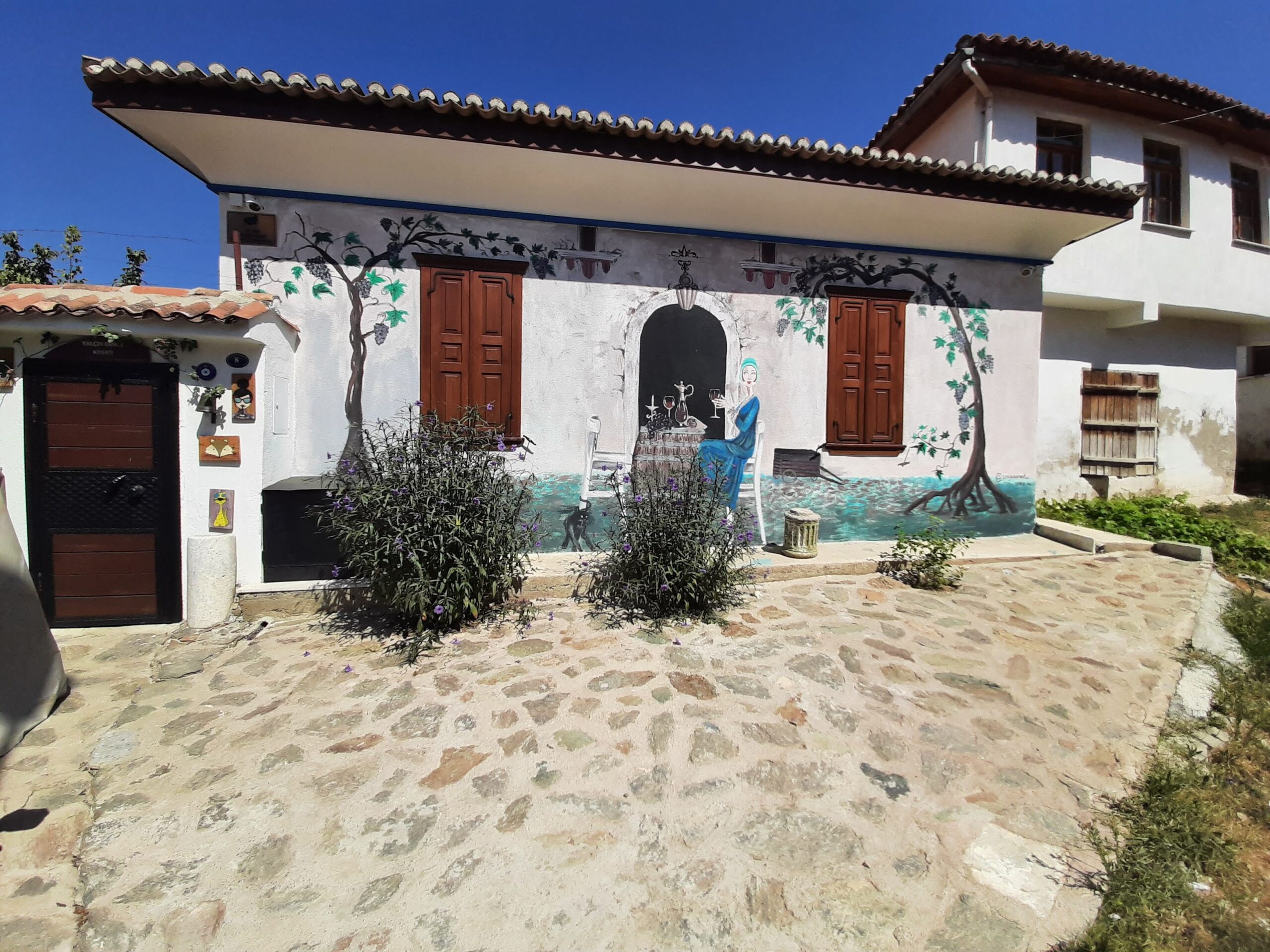
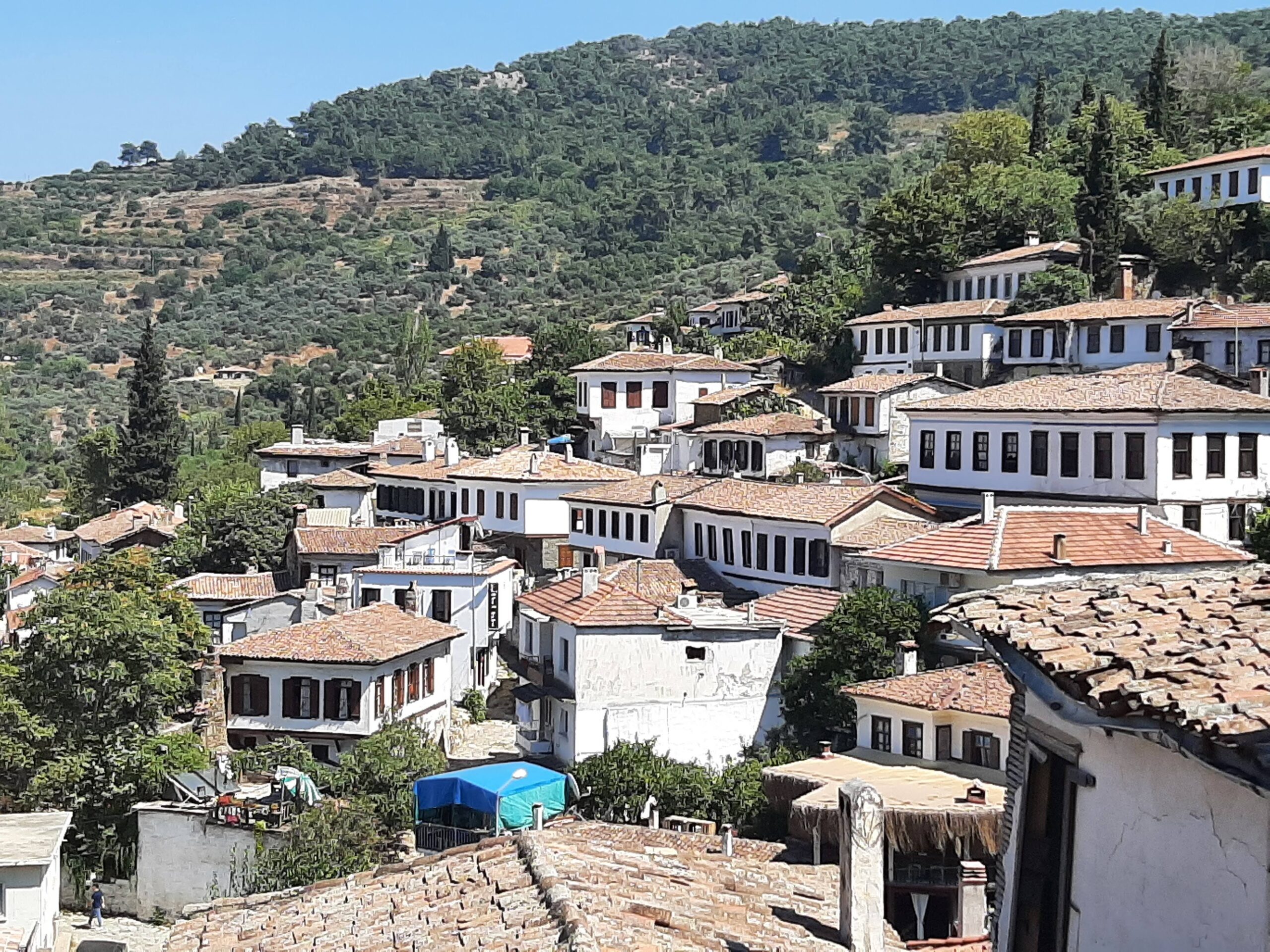
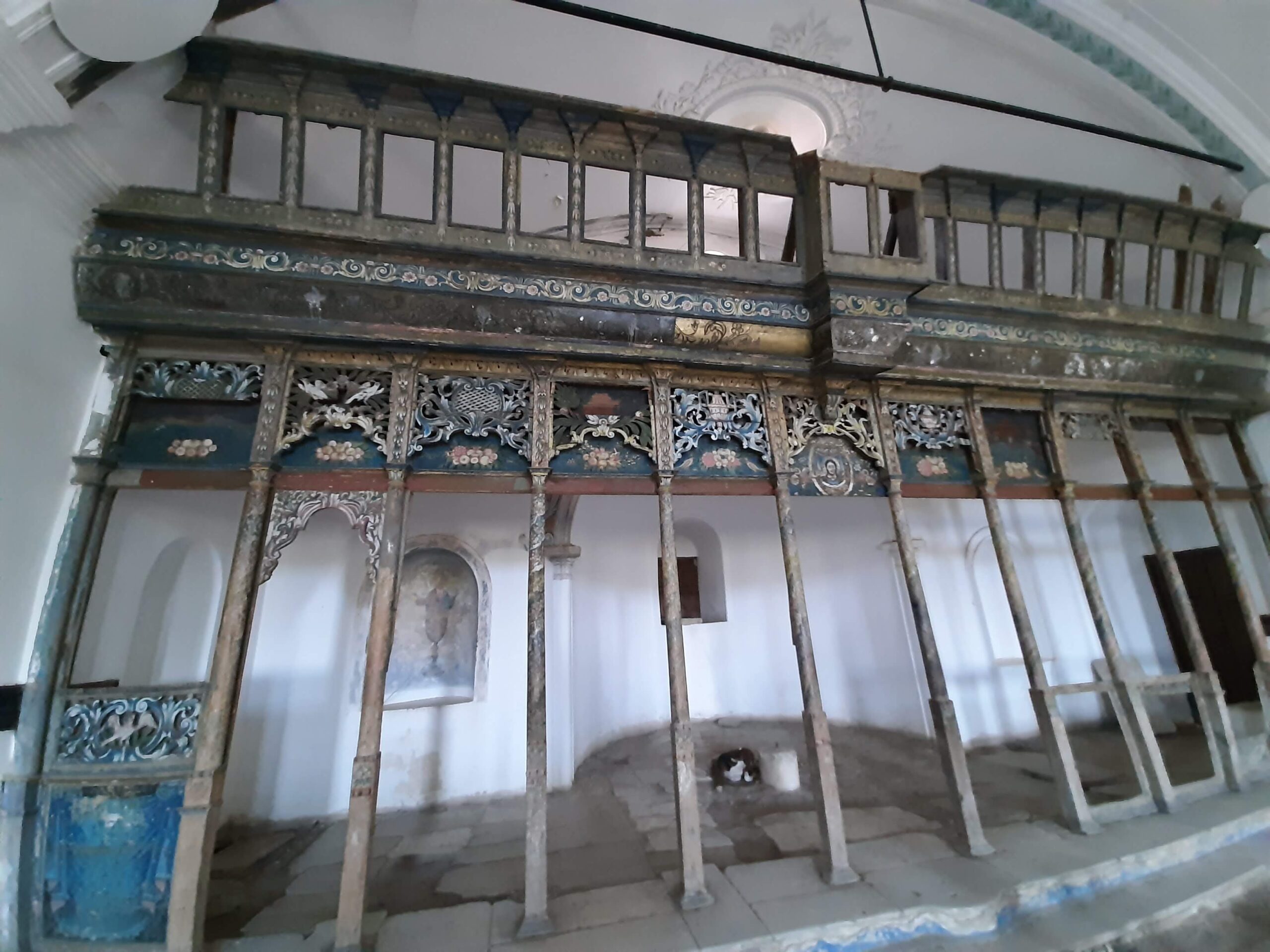
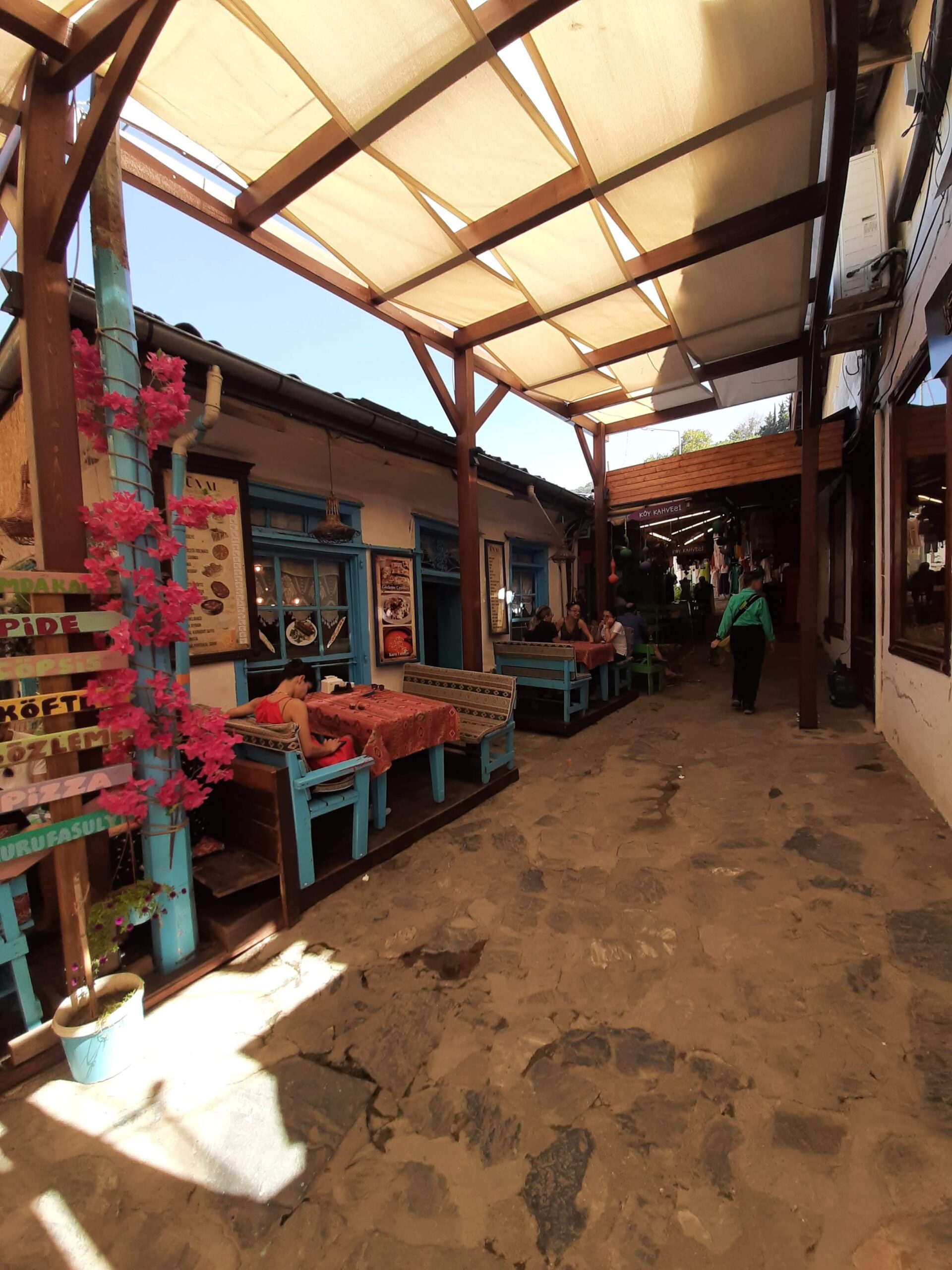
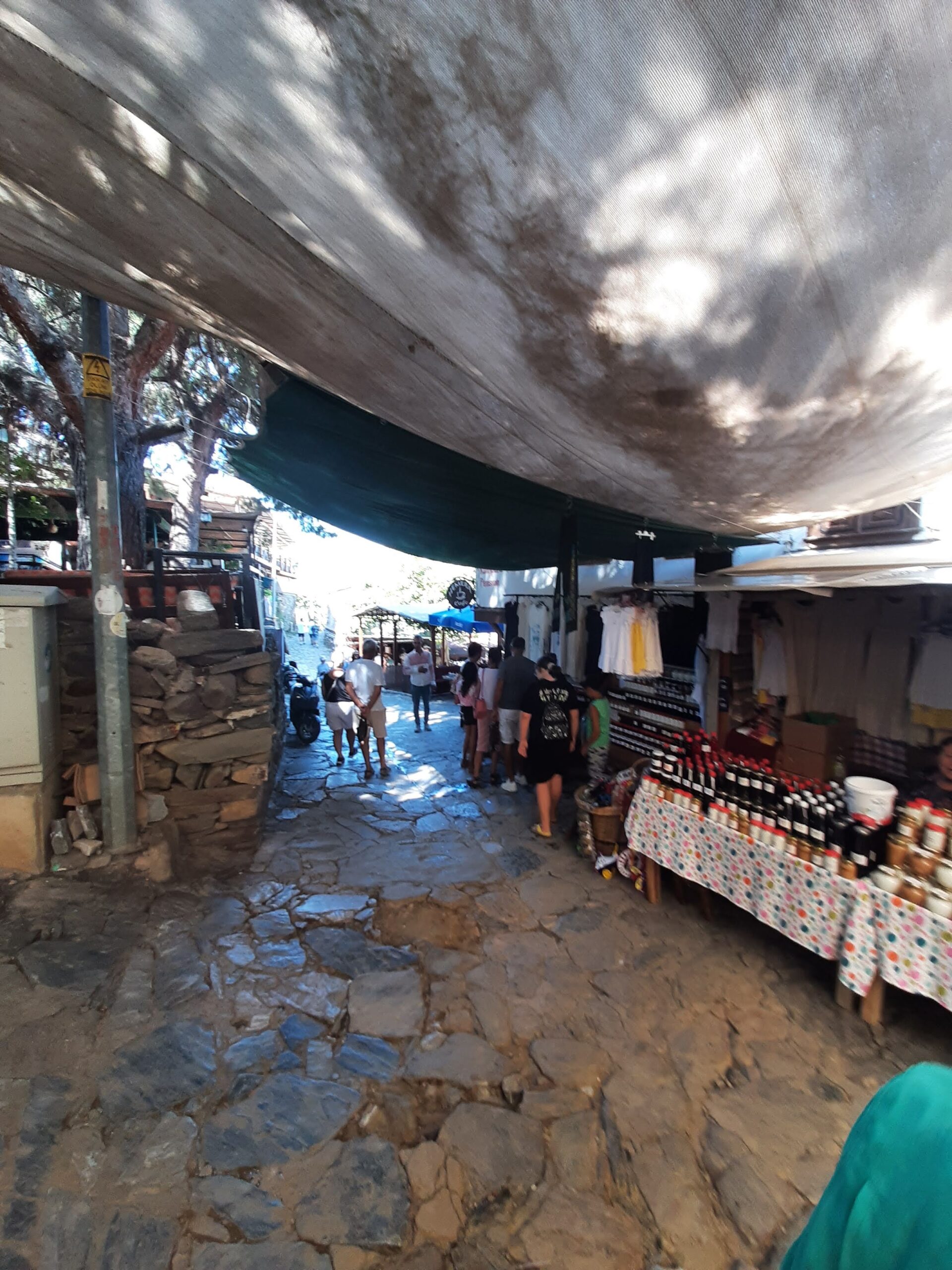
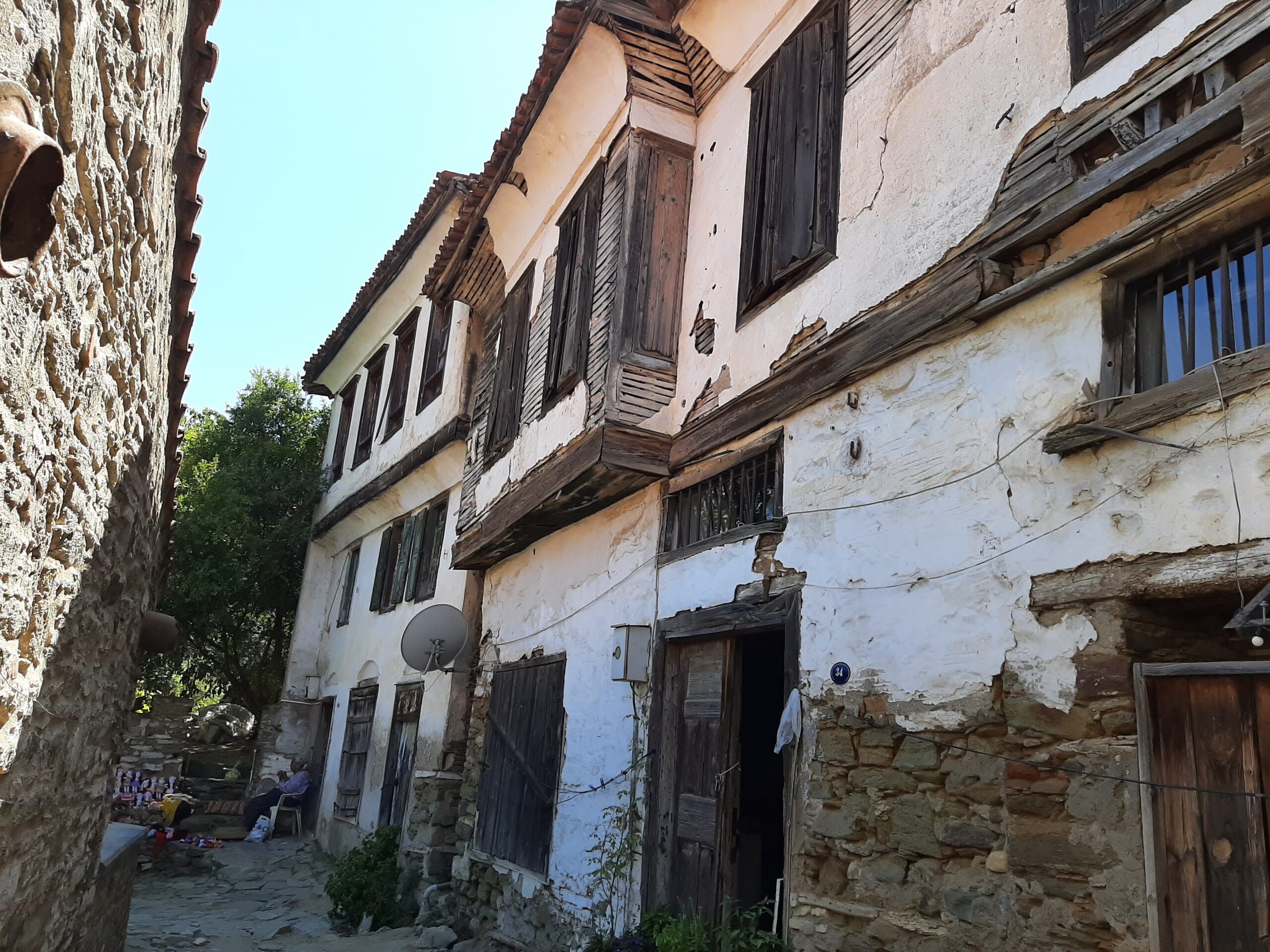
Following our break, we drove up to the "pretty village" of Sirince, about 8 kms from Selcuk on the mountain side. We had read that it was a "pretty village" showcasing Ottoman style housing. It was quite attractive and certainly displayed the Ottoman style housing quite well, the only thing that spoiled it was the many tourists ! It had lots of shops, restaurants, bazaar type markets etc. It was worth the drive though.
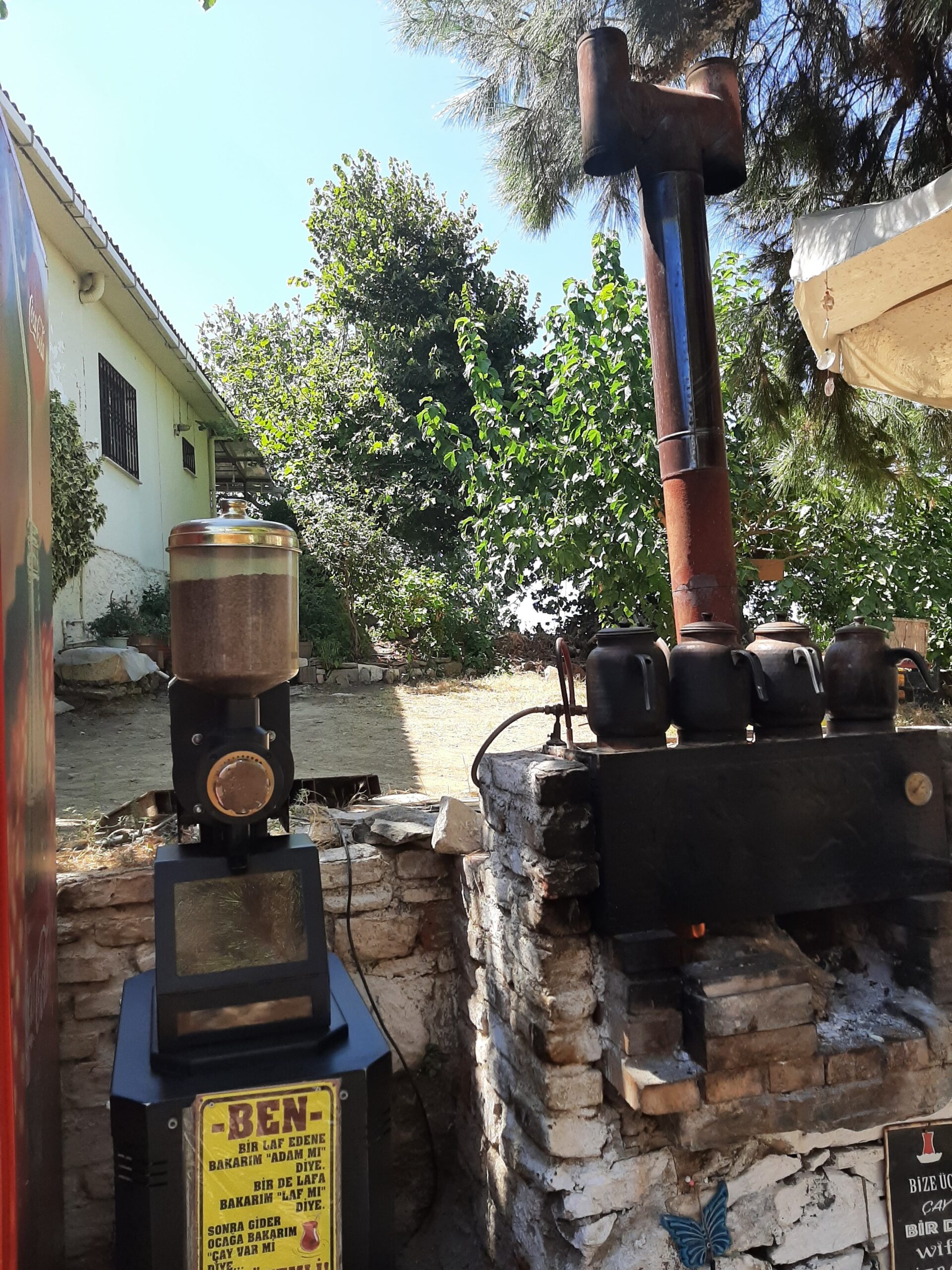
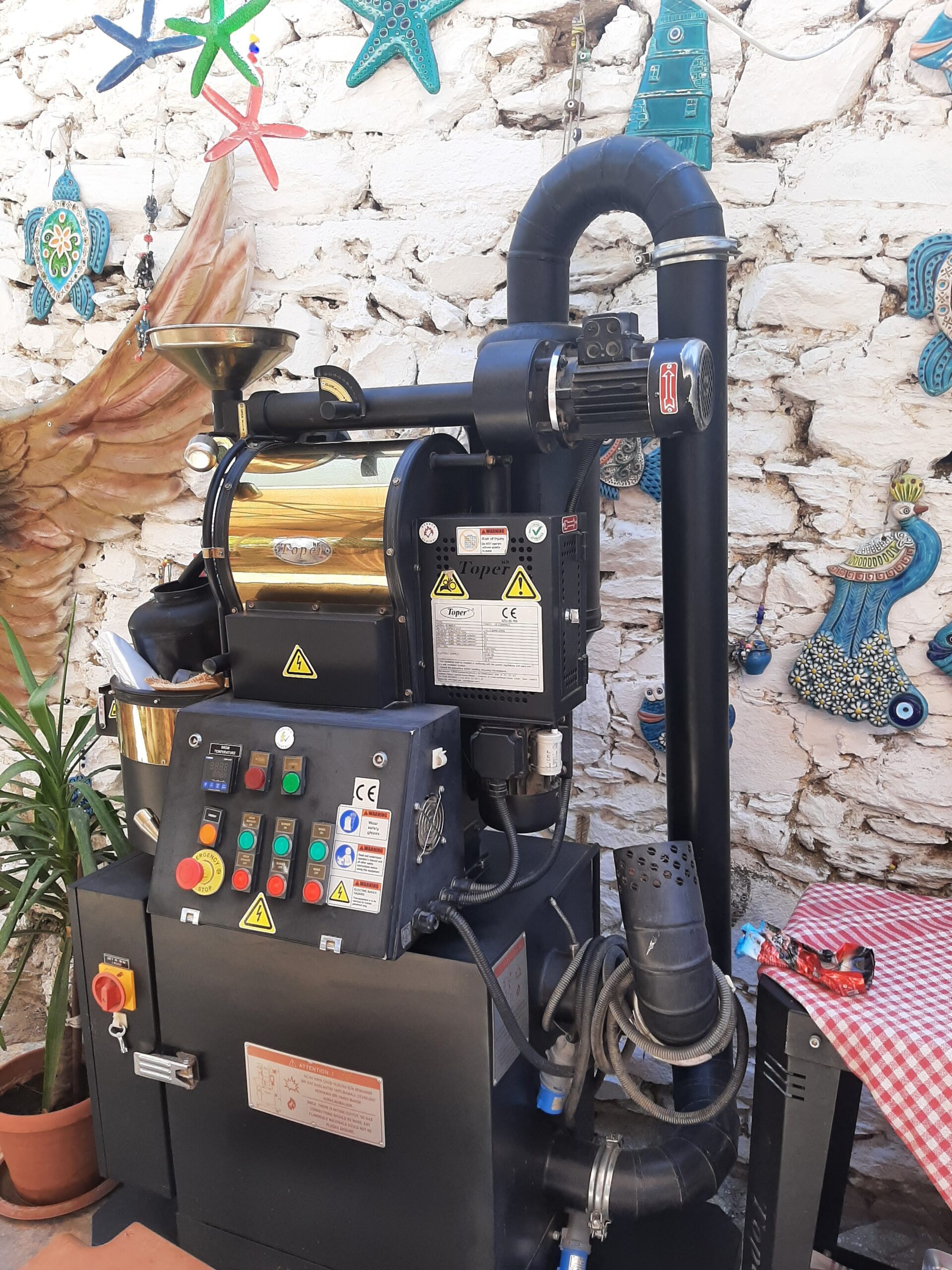
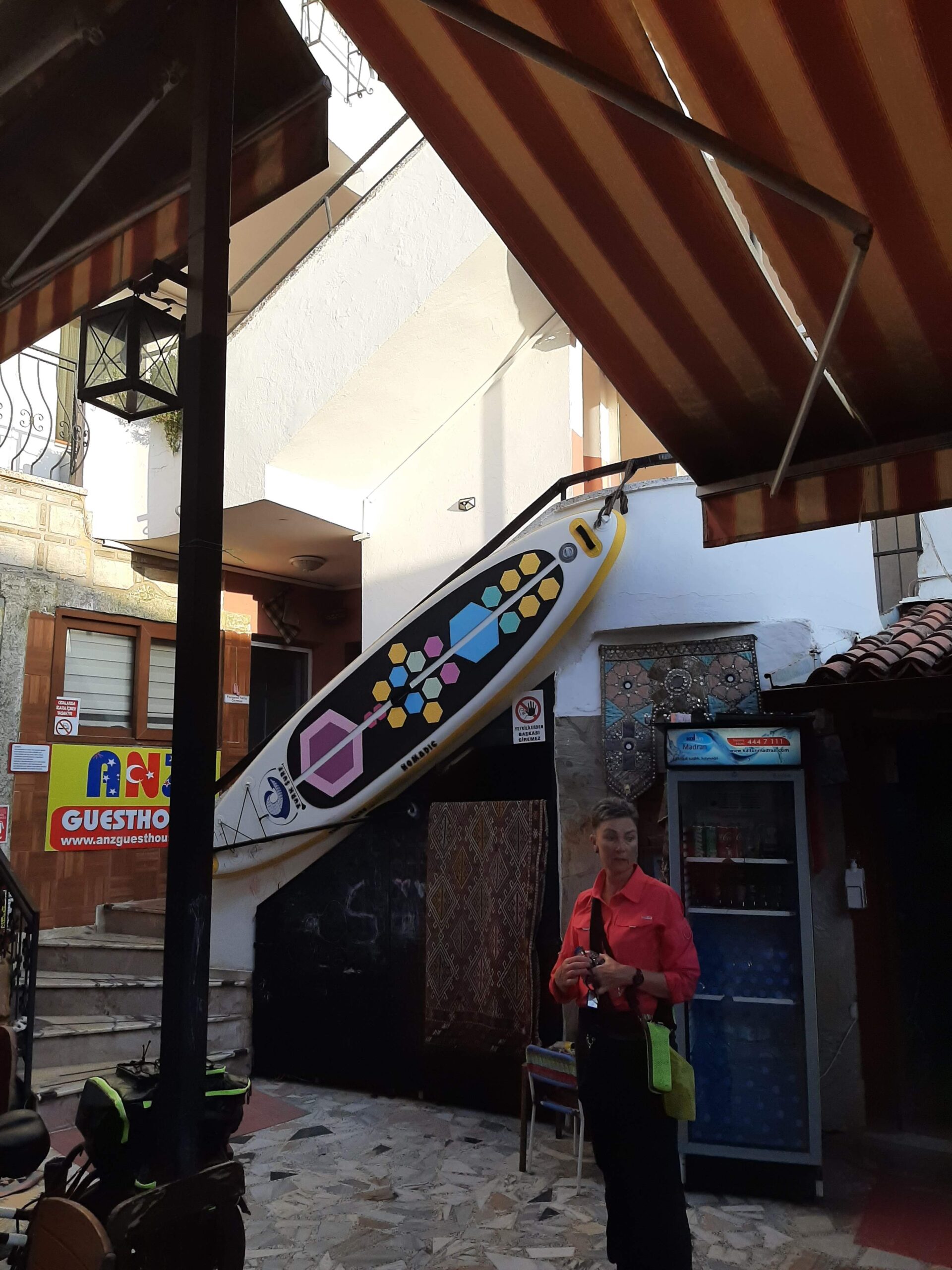
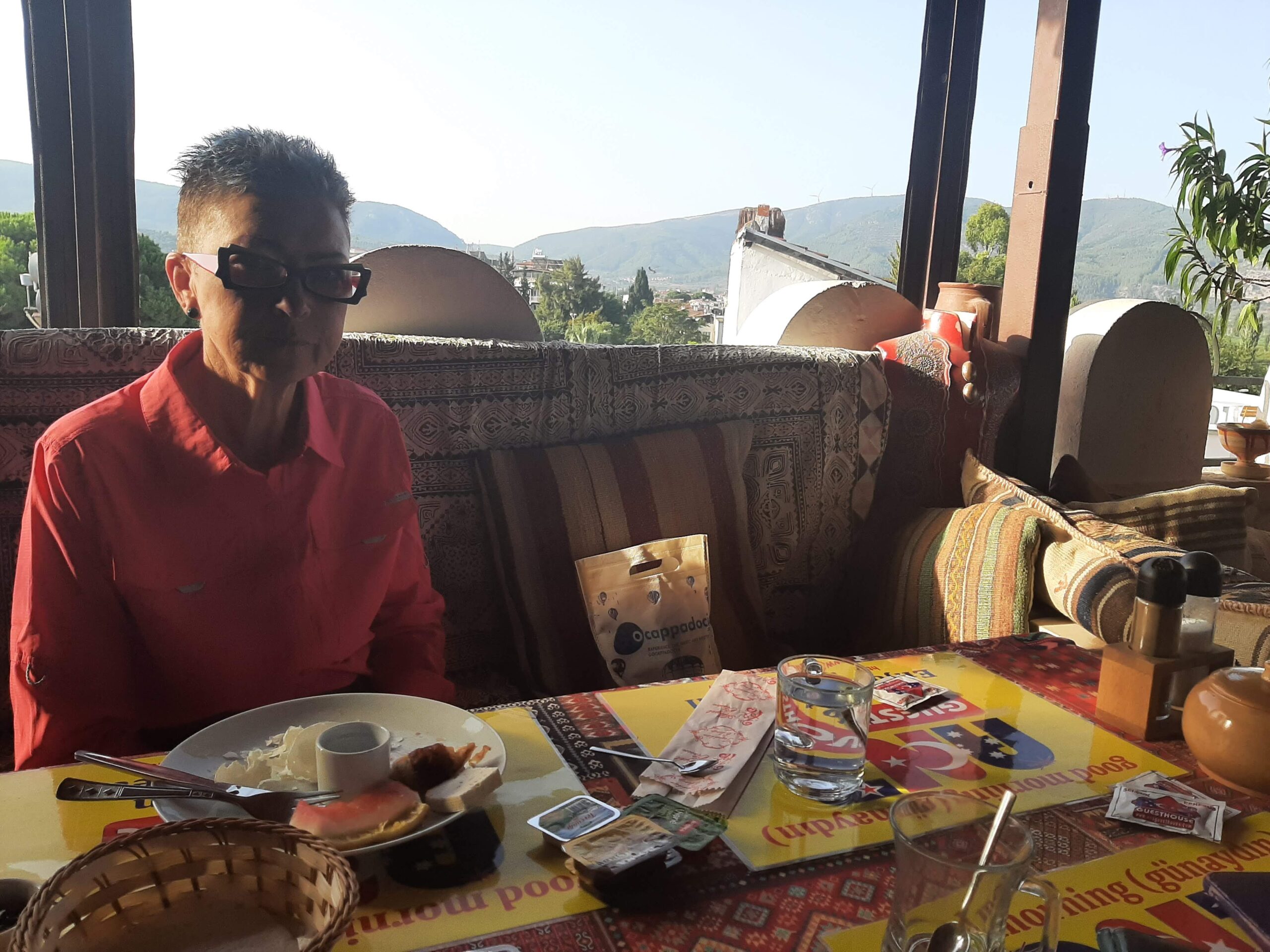
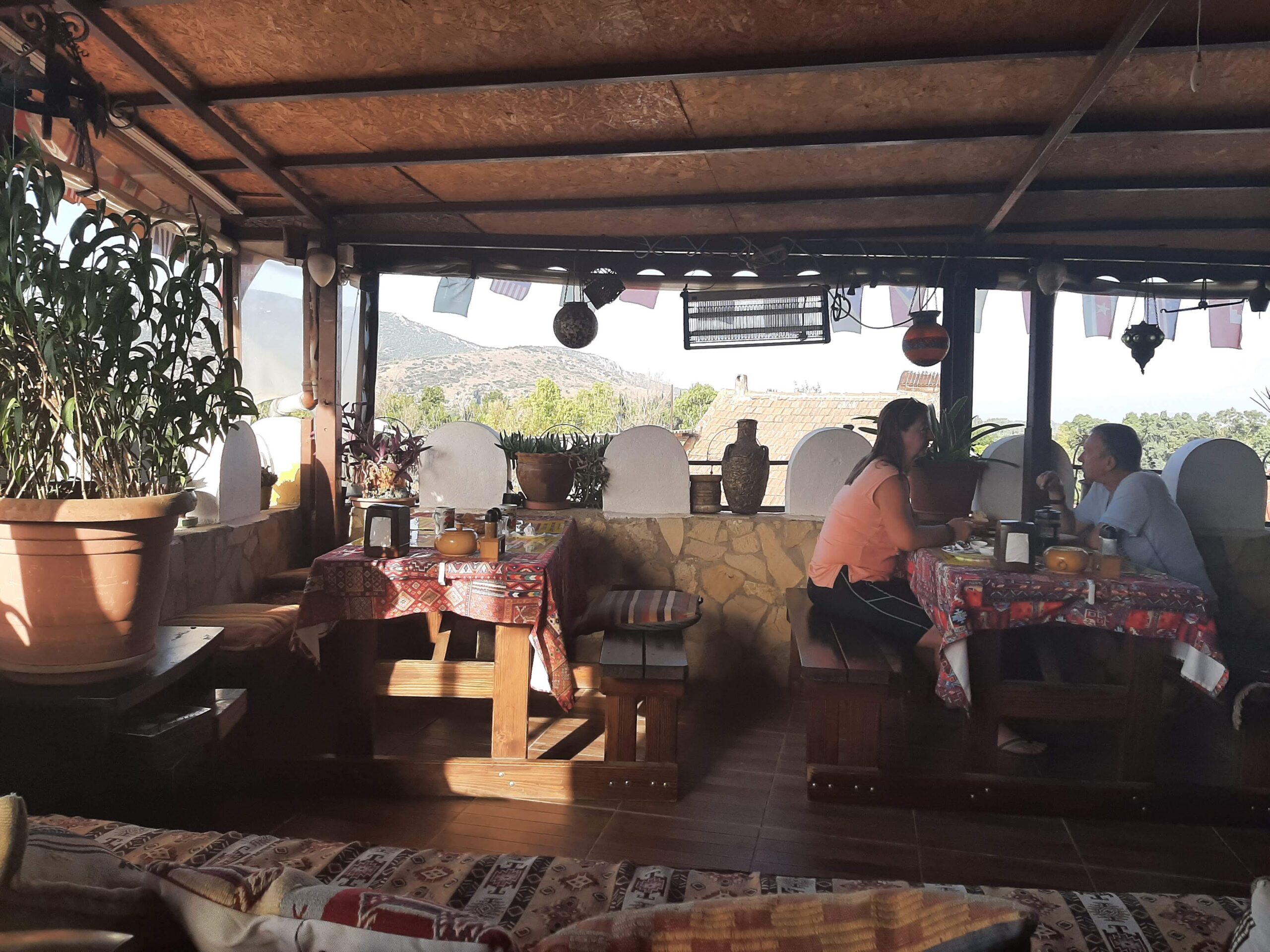
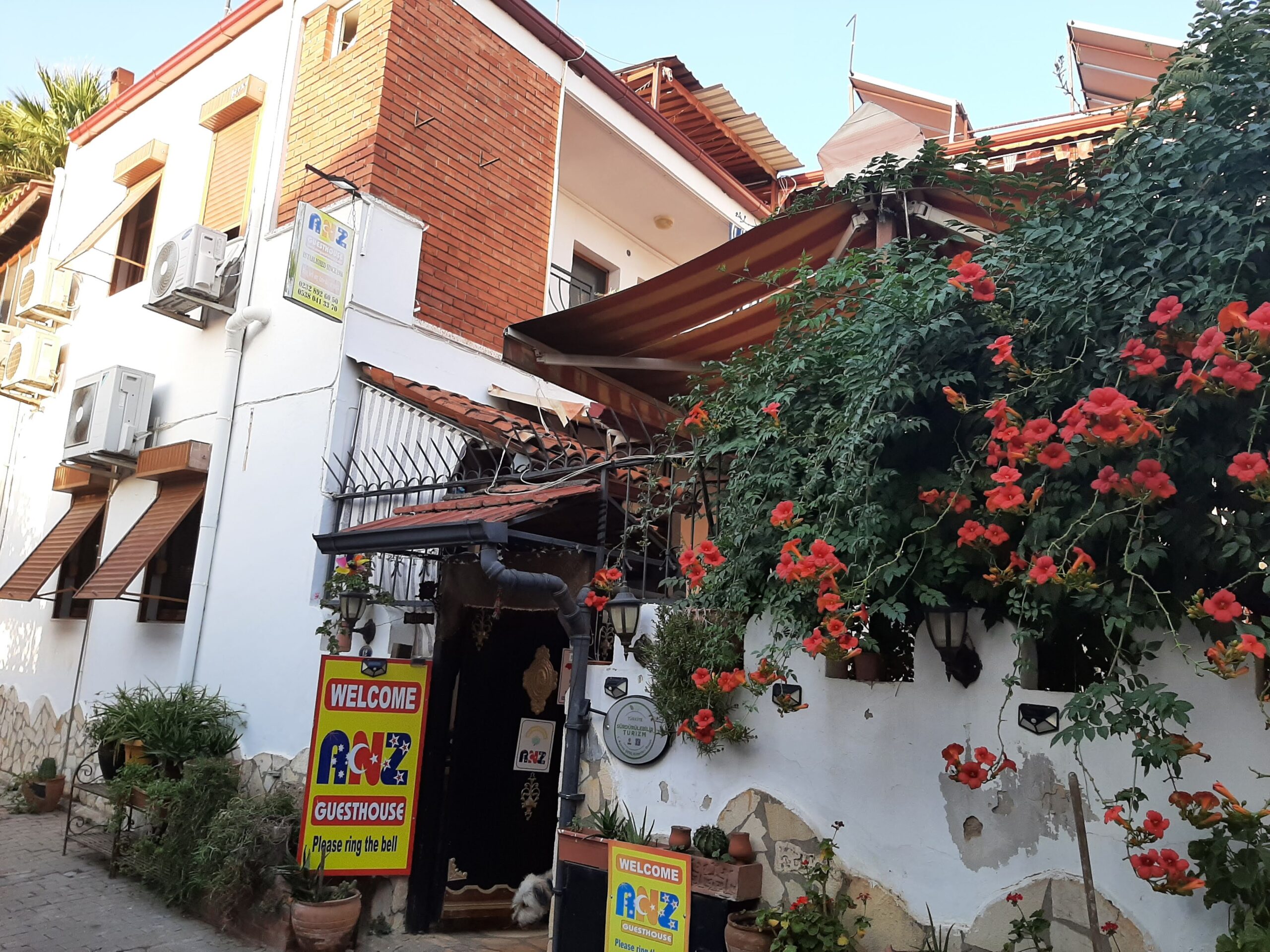
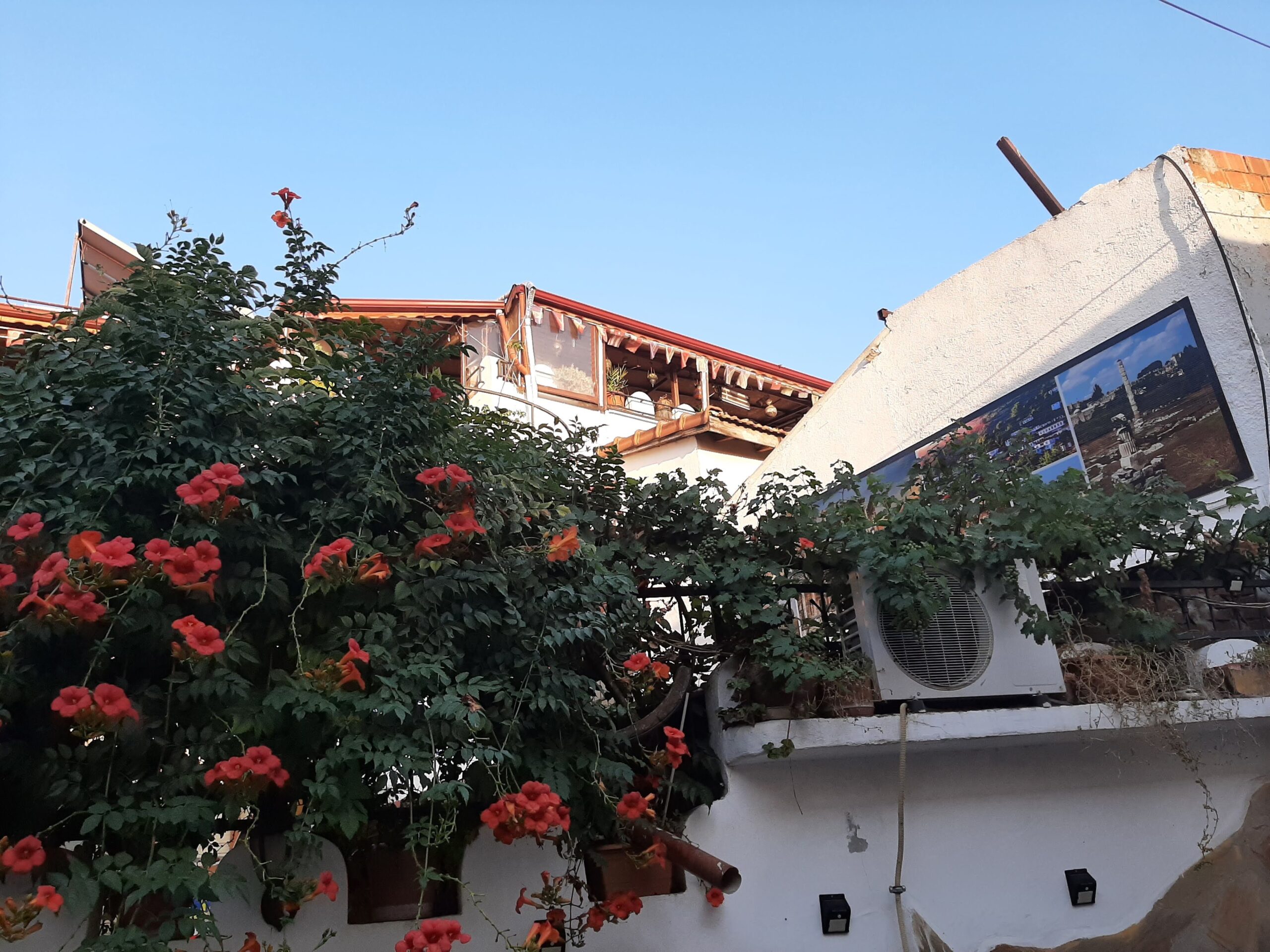
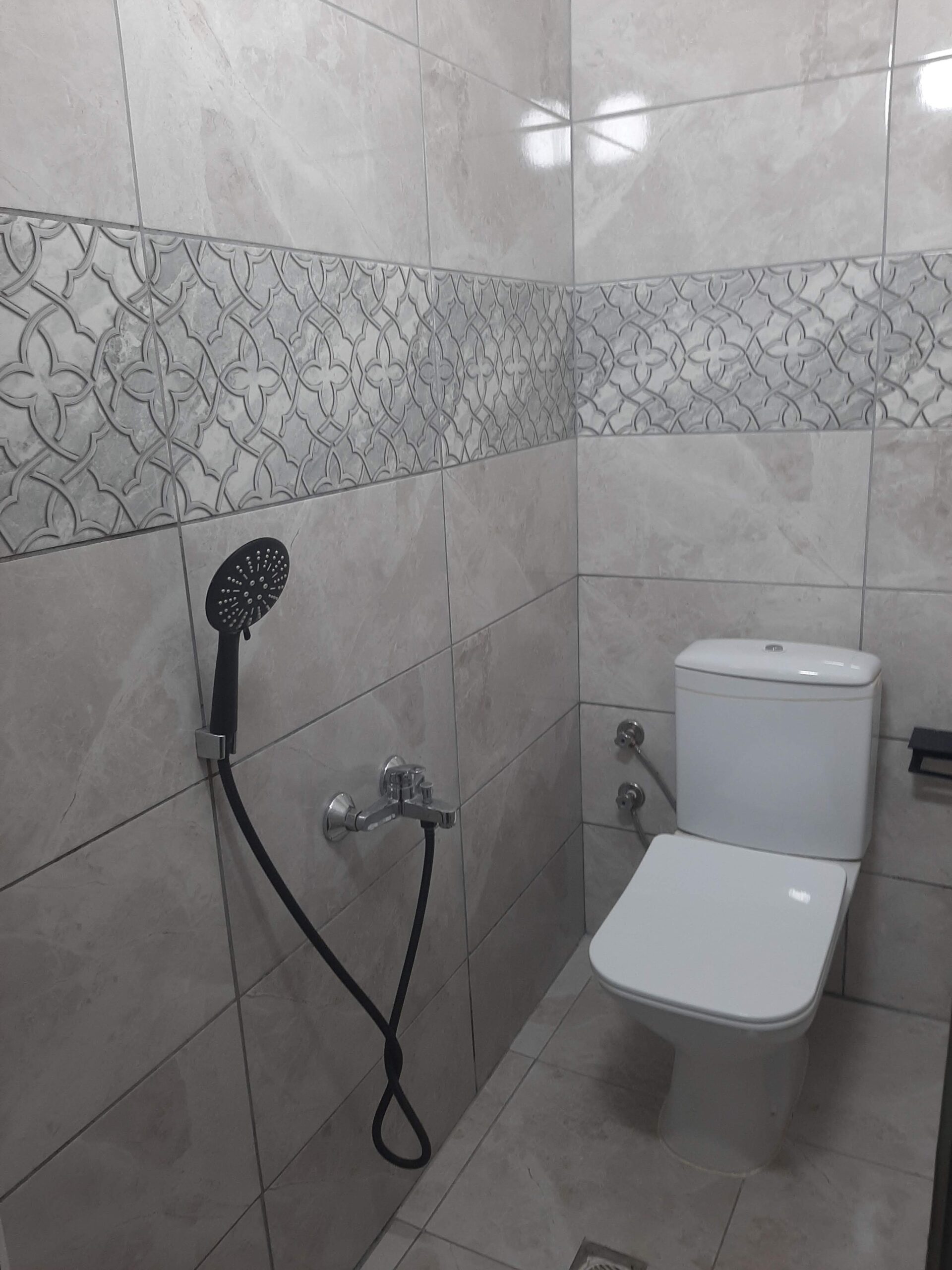
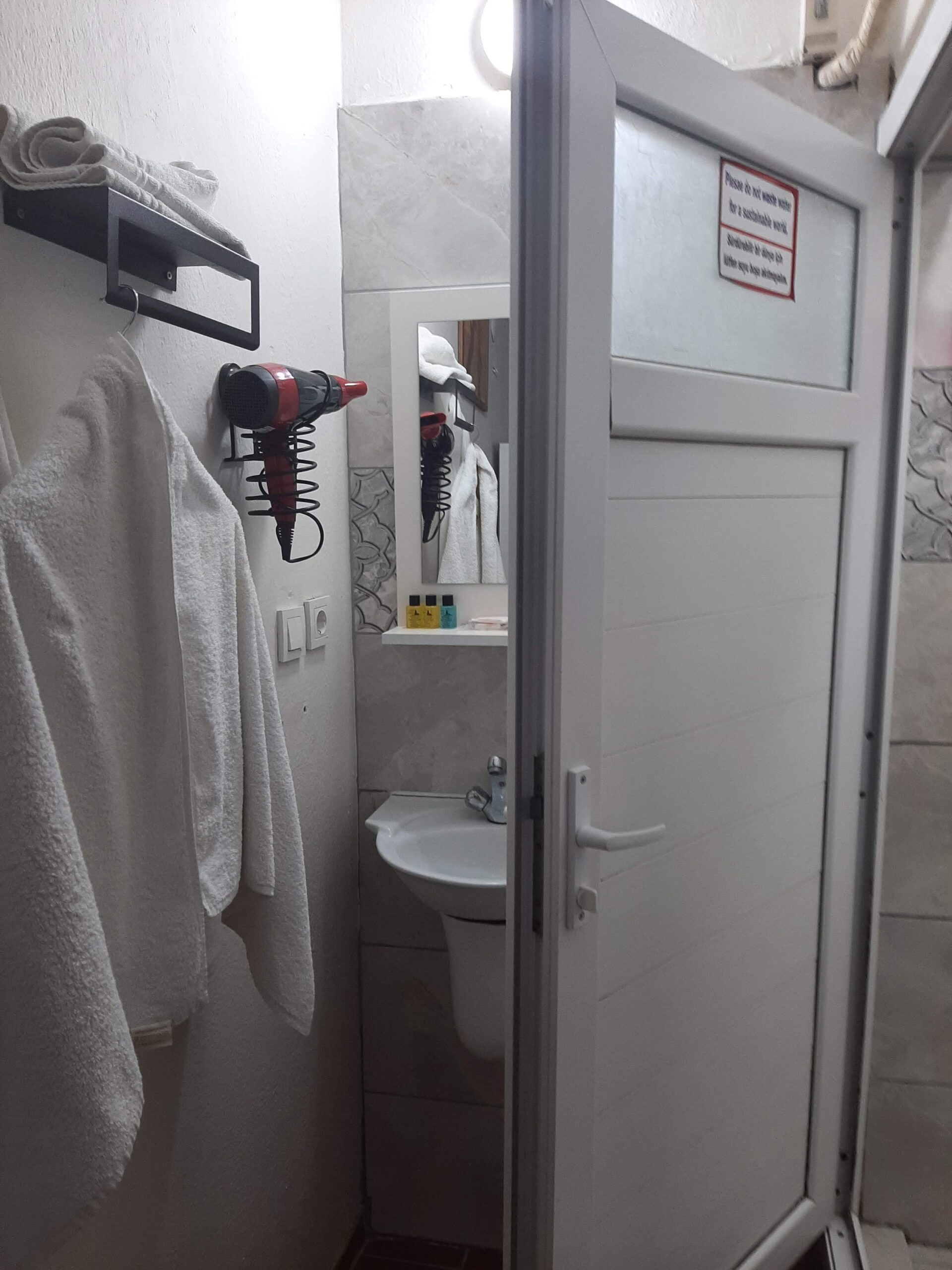
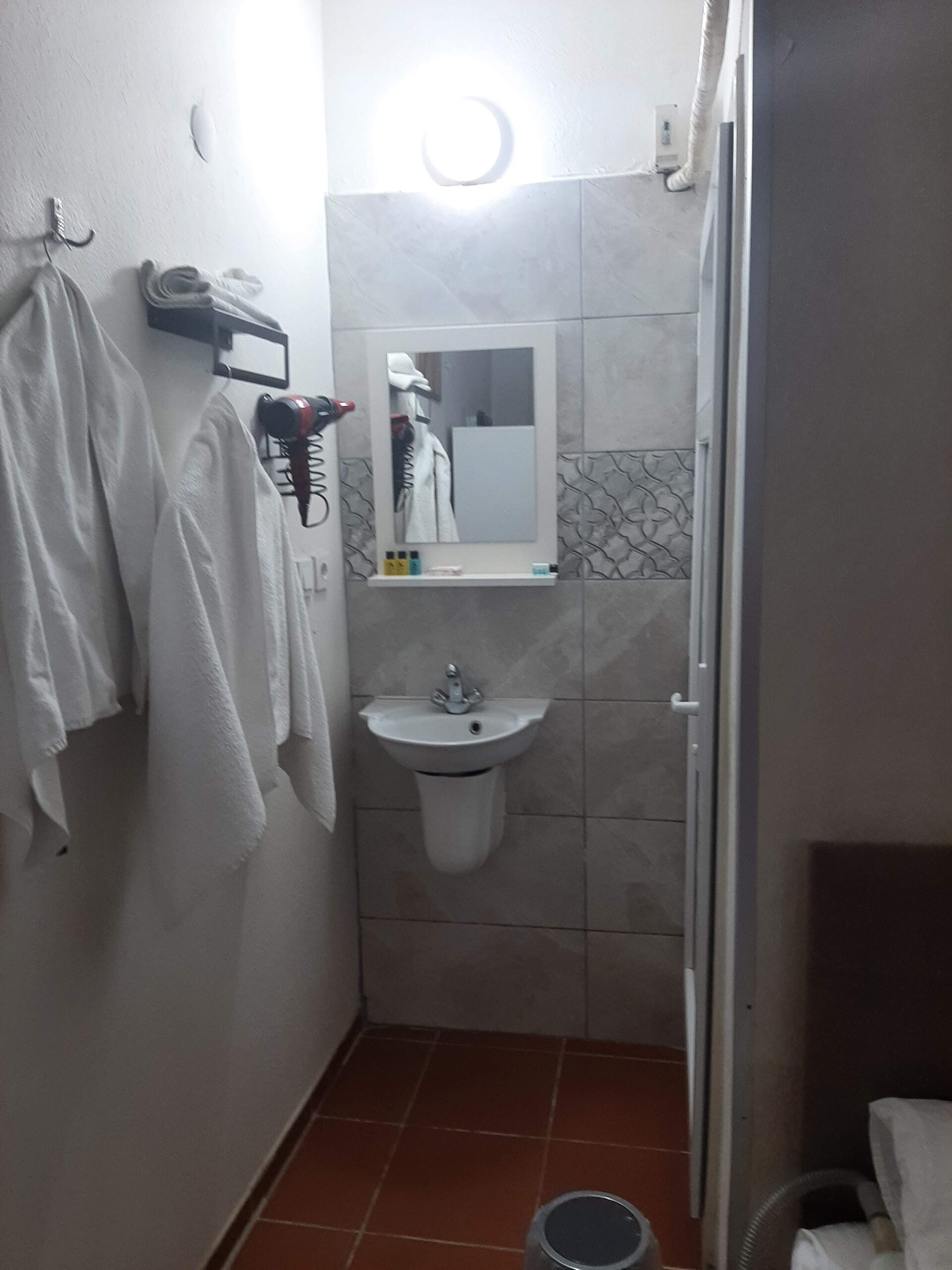
Back to Selcuk to check into our accommodation, the ANZ Guest House, run by Harry who had lived in Australia for his early life. This is close to the centre of Selcuk and within easy distance to the Ephesus museum and St John's Basillica. The stay here for 2 nights helped even out our budget for accommodation, costing $112 AUD for 2 nights. Photos will show the room which is simple and clean, but there is a wonderful roof top terrace where breakfast is served, as well as being able to spend the evenings there. While sitting here watching the sun go down and the moon rise we planned our day tomorrow, to visit the EFES Archaelogical site of ruins, the Ephesus museum and St John's Basillica.
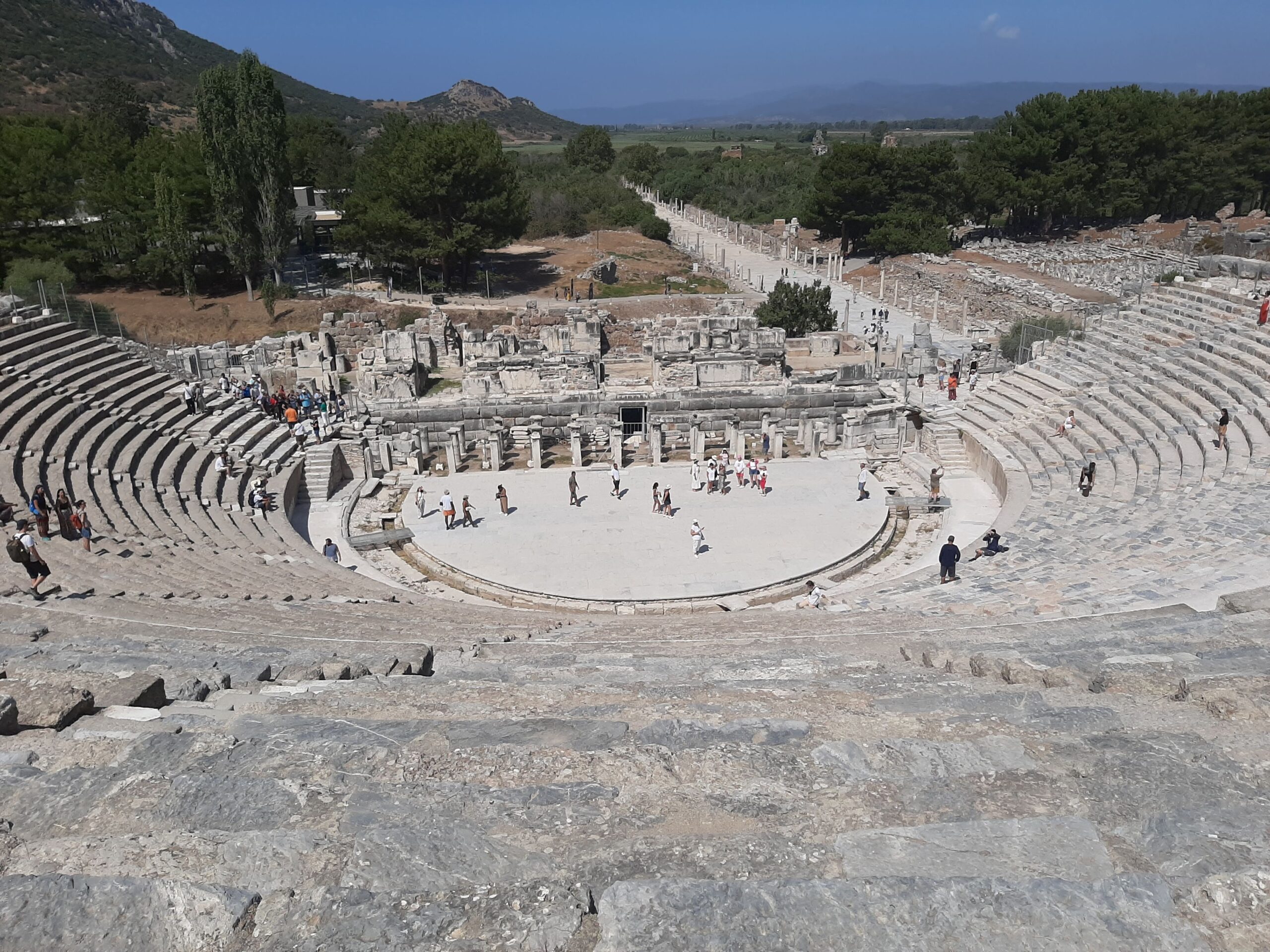
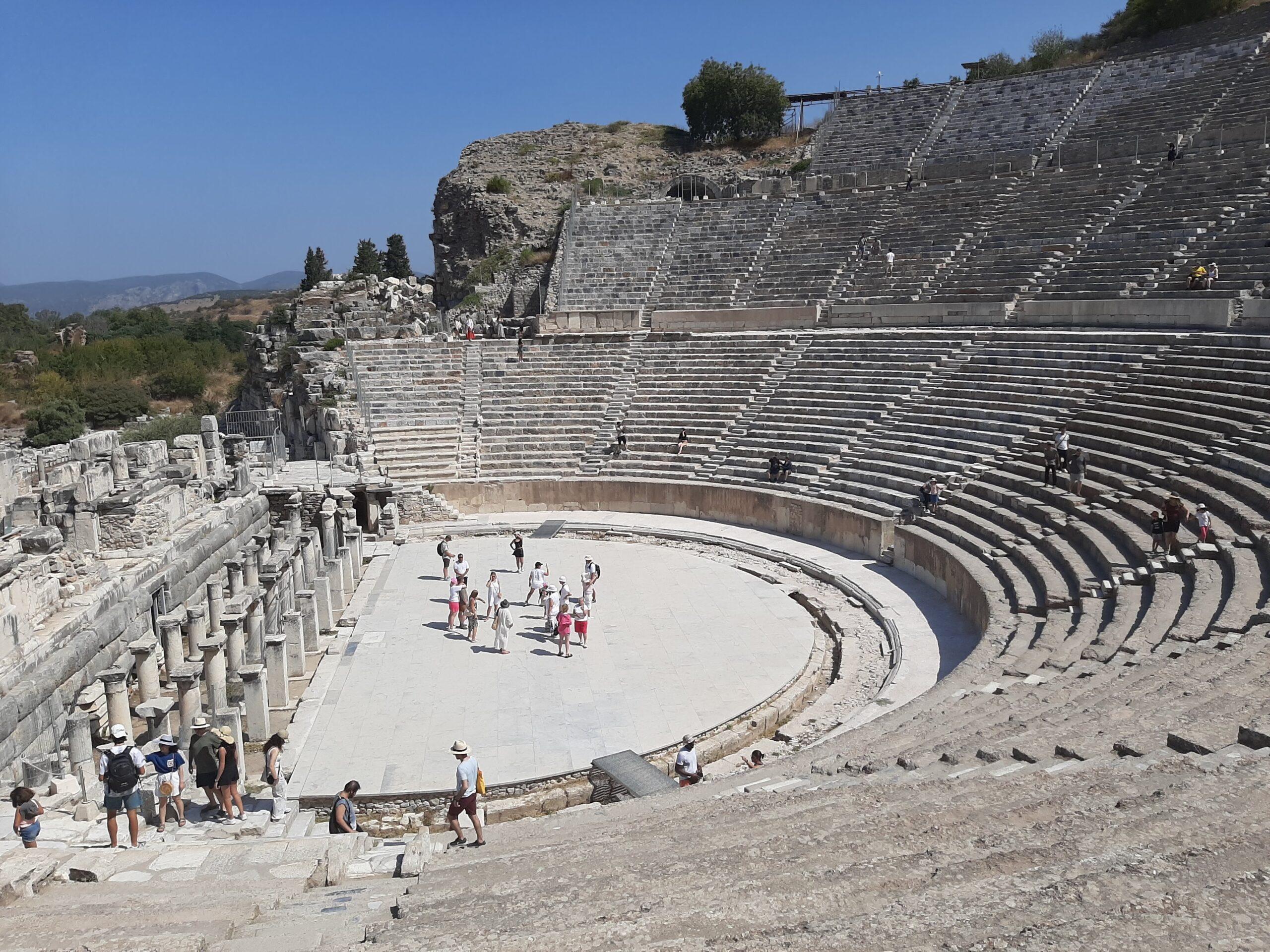
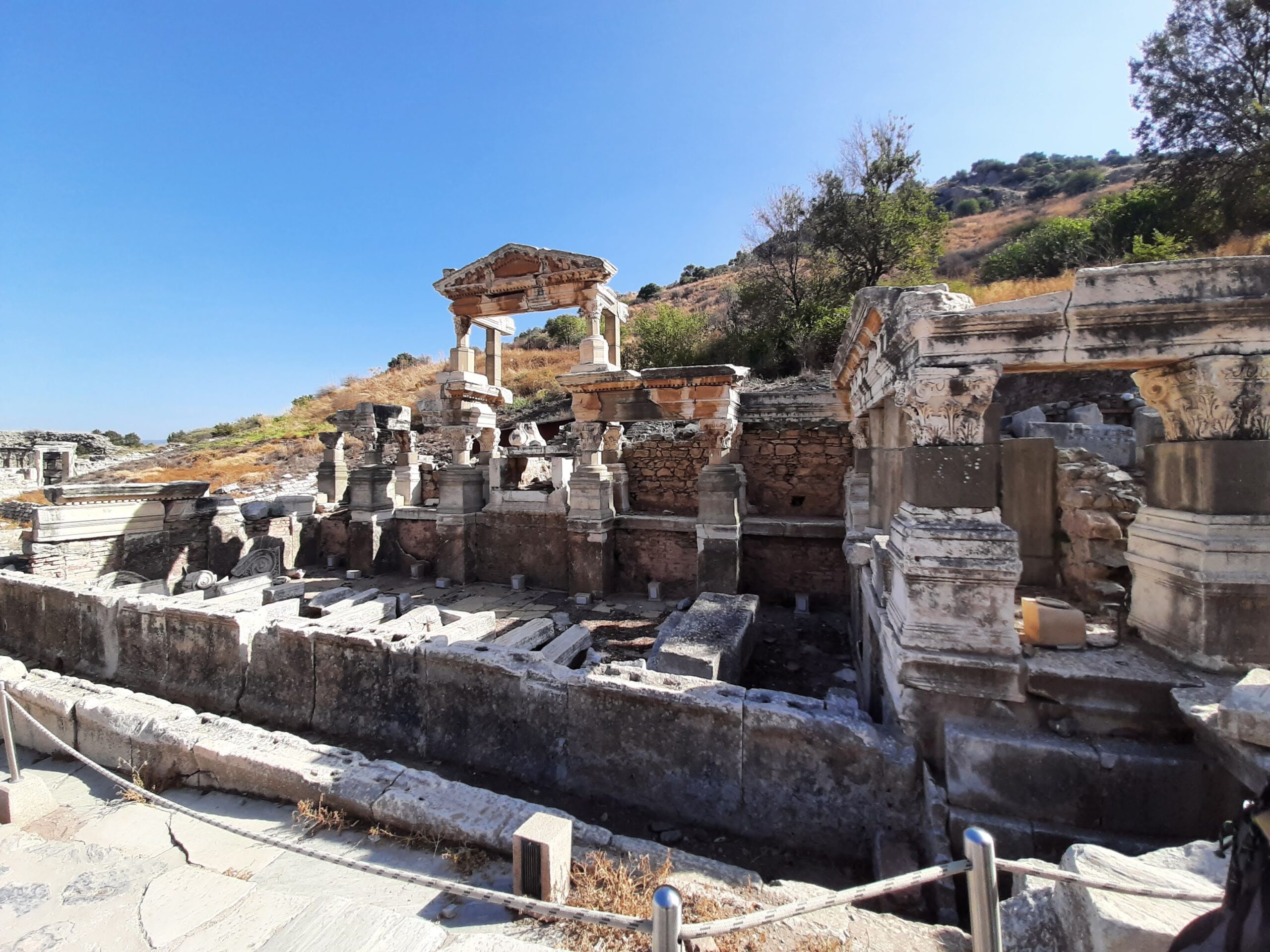
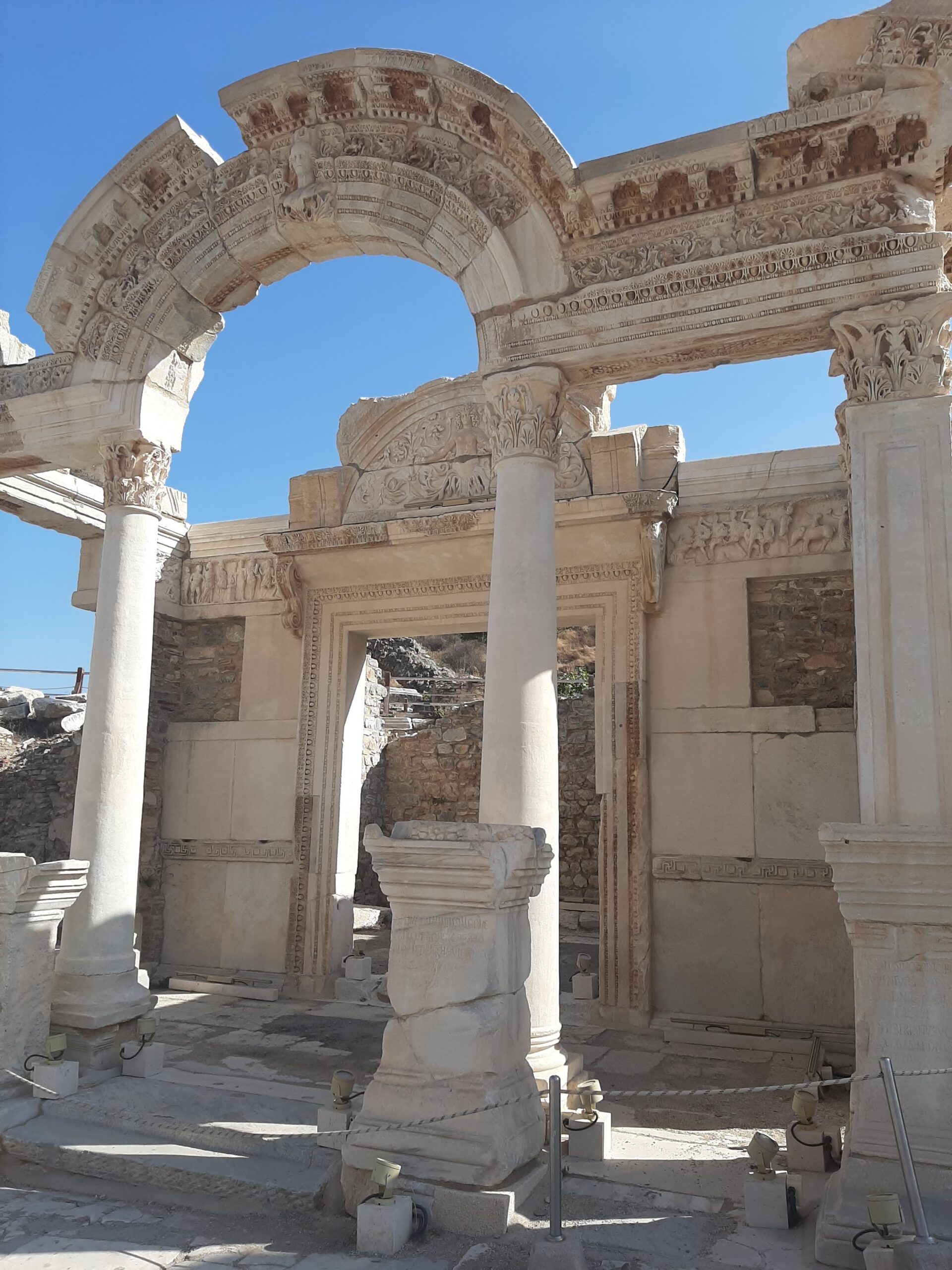
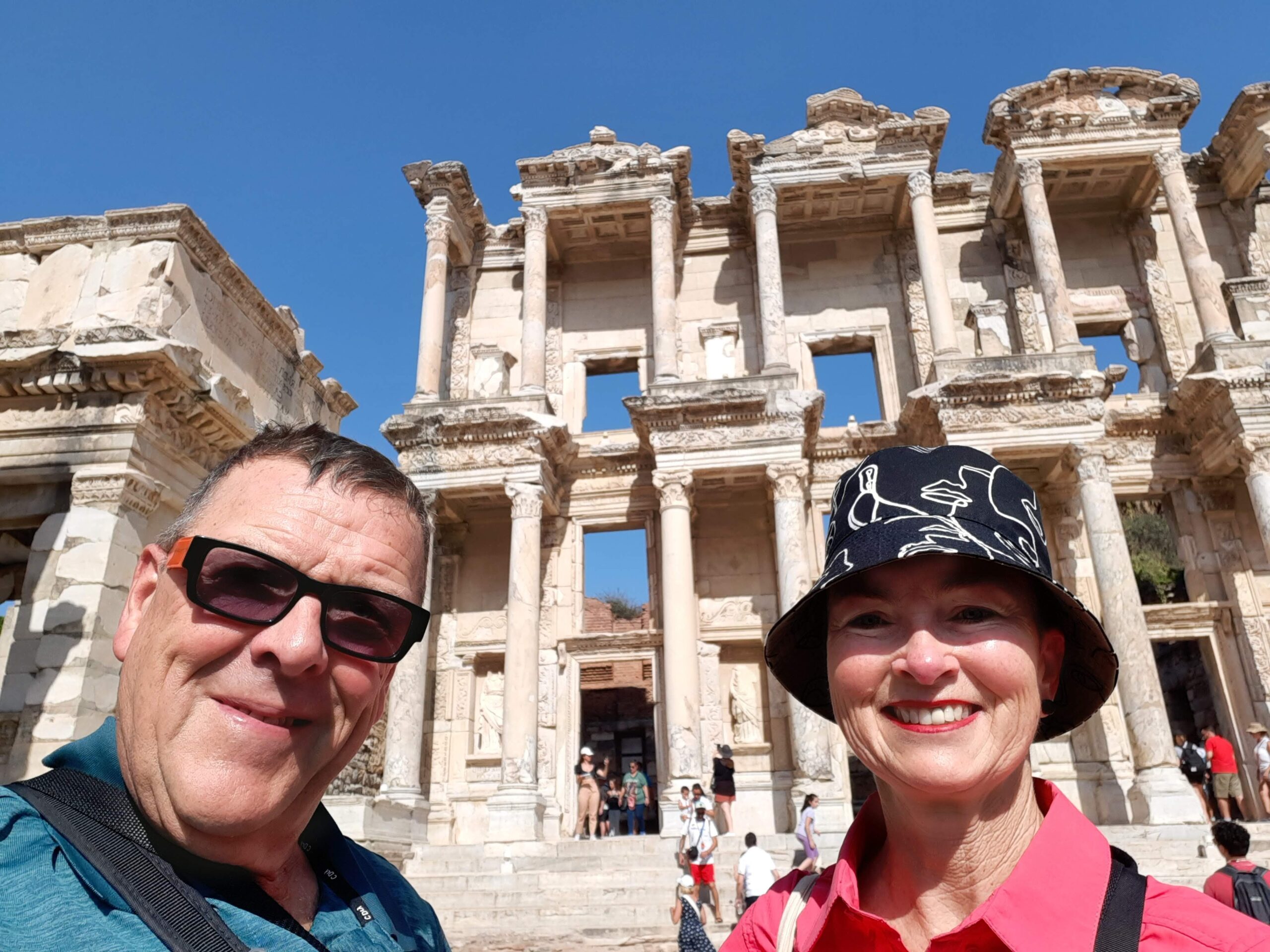
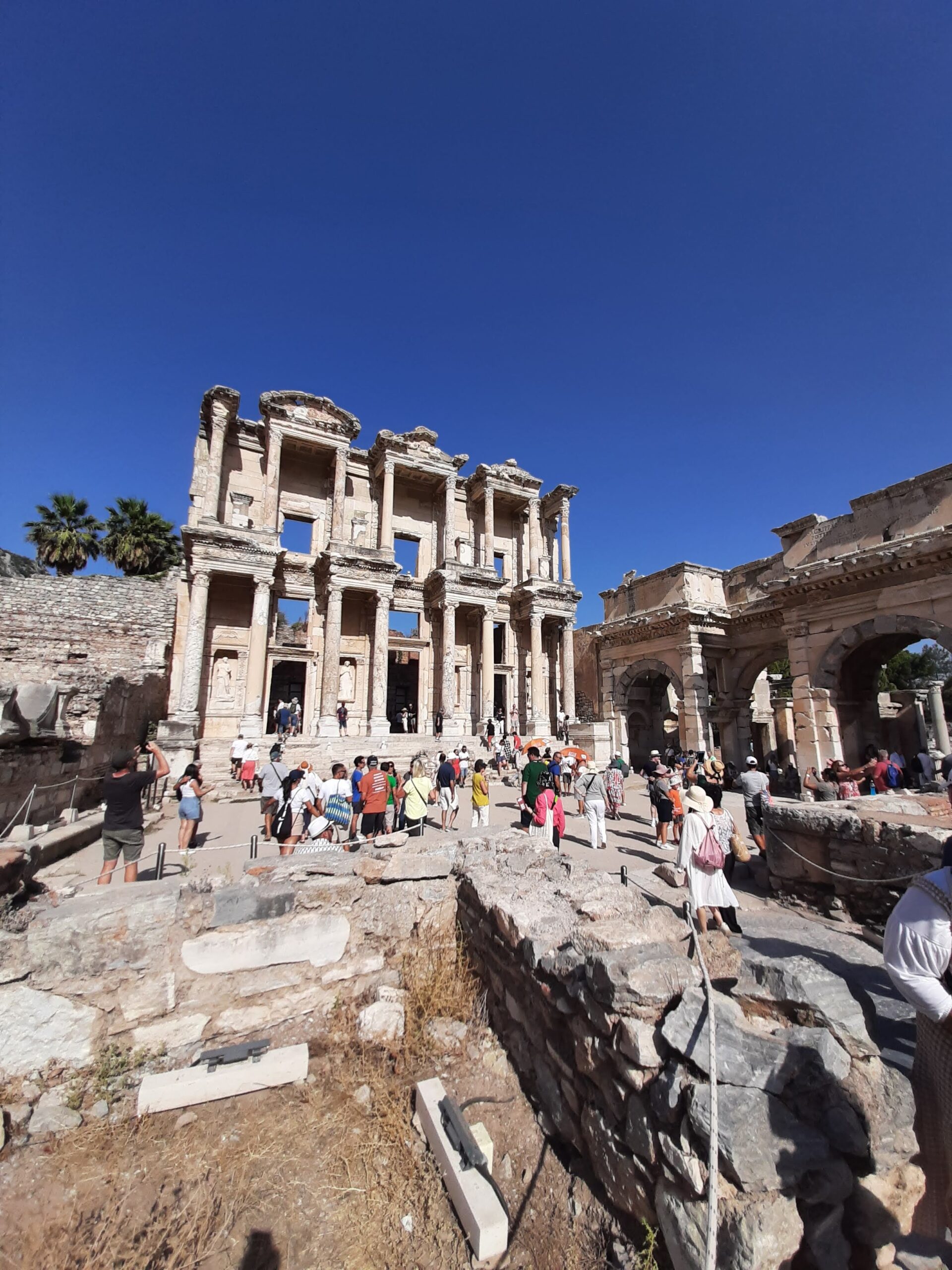
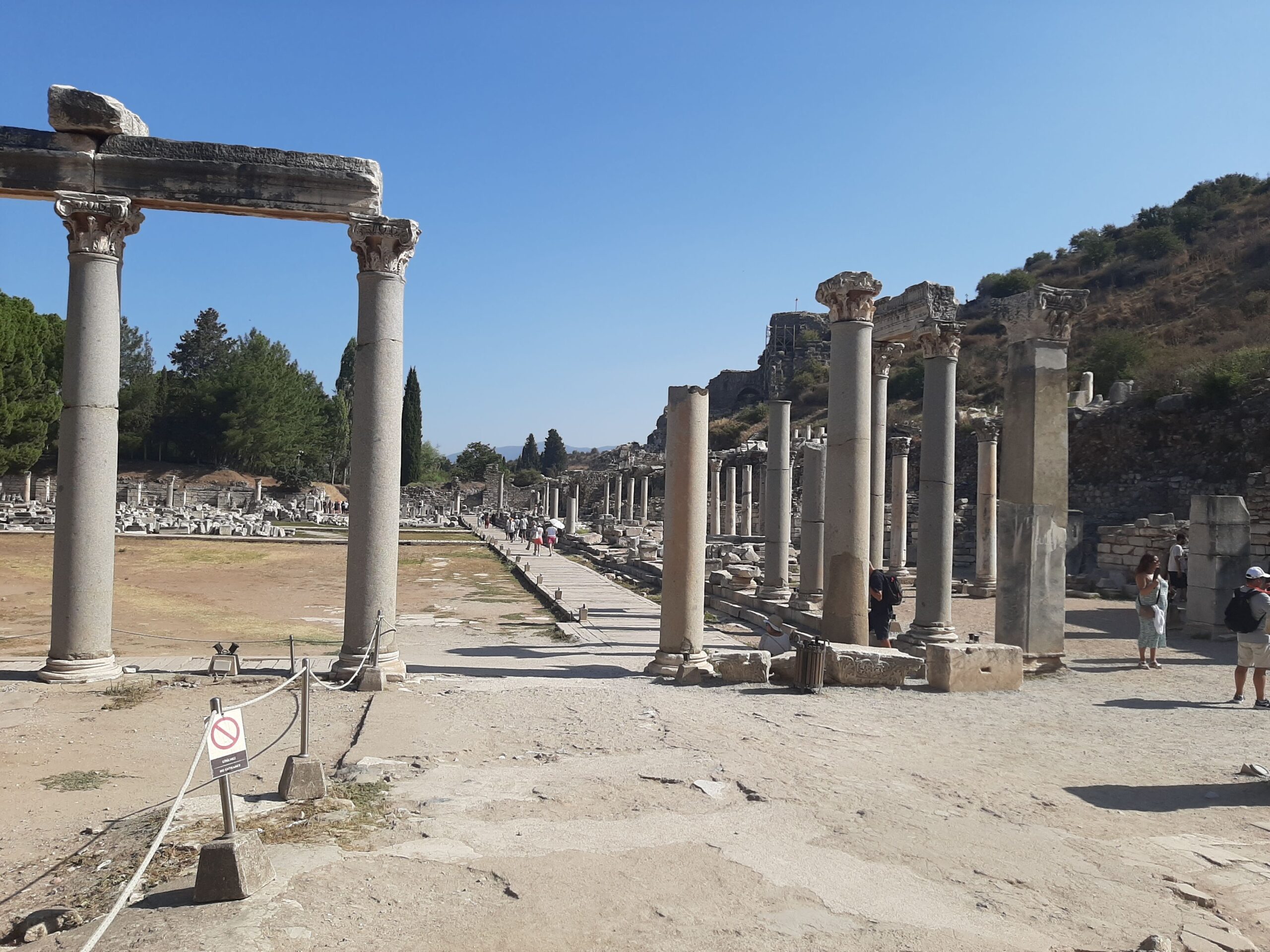
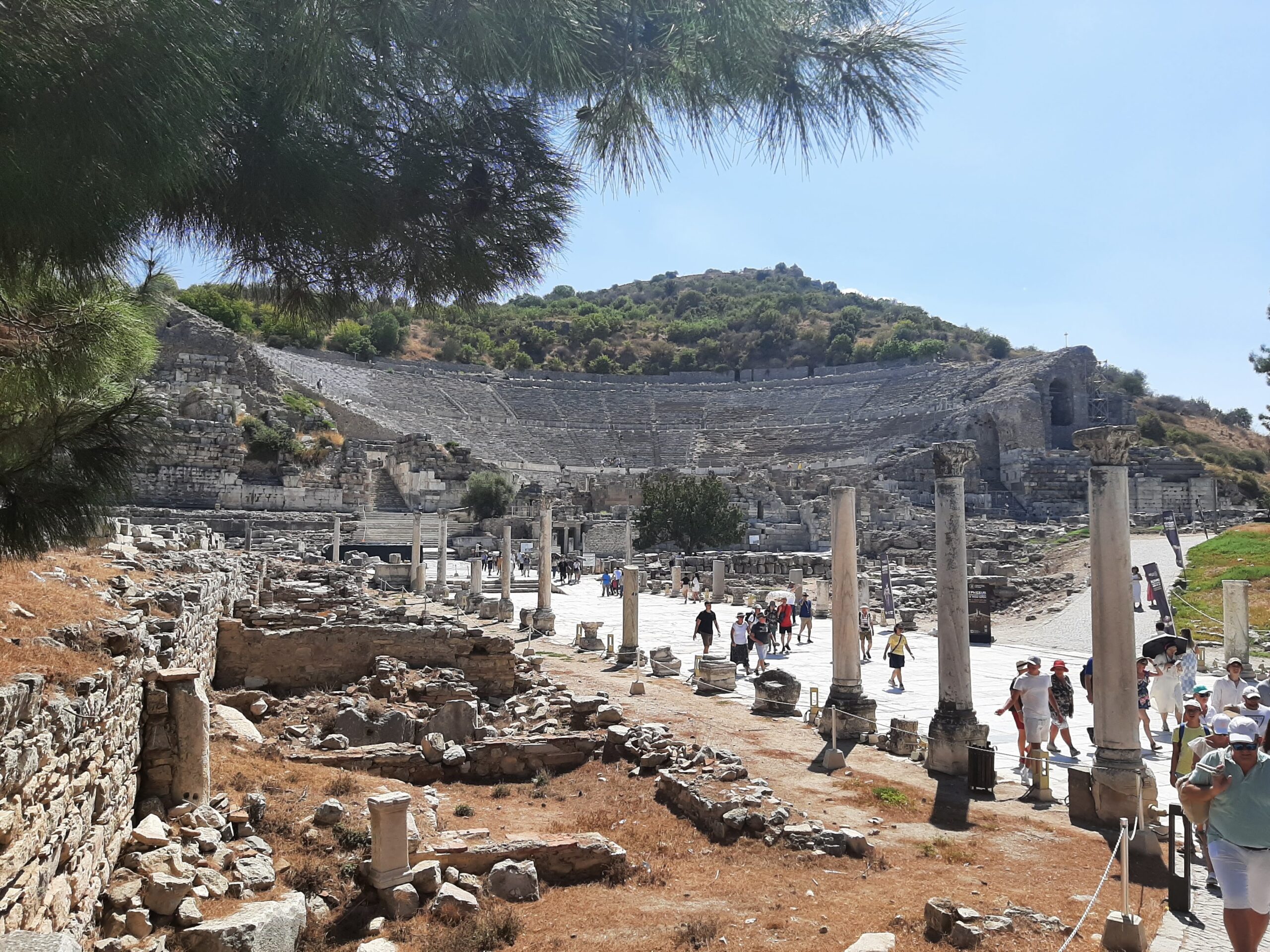
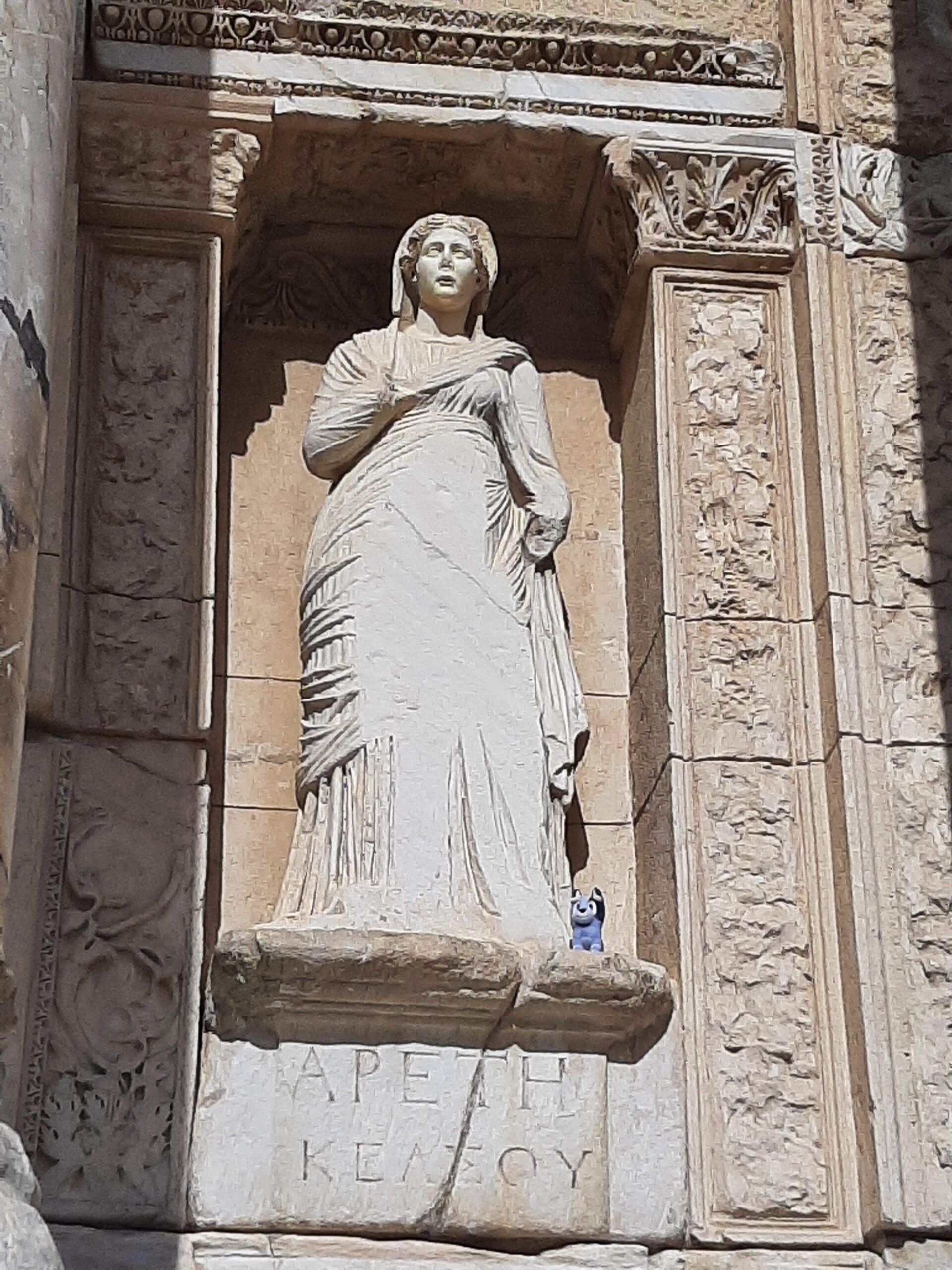
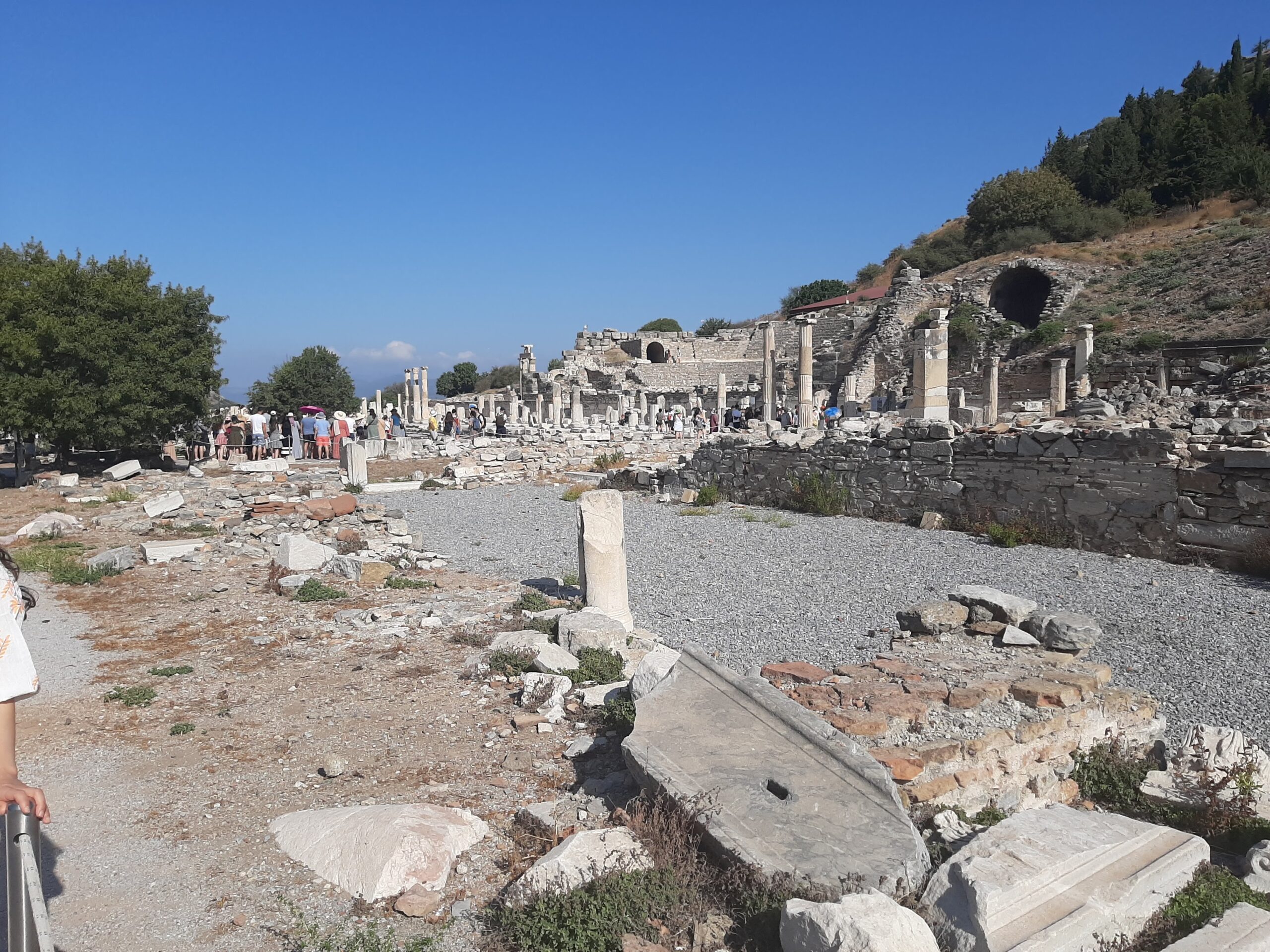
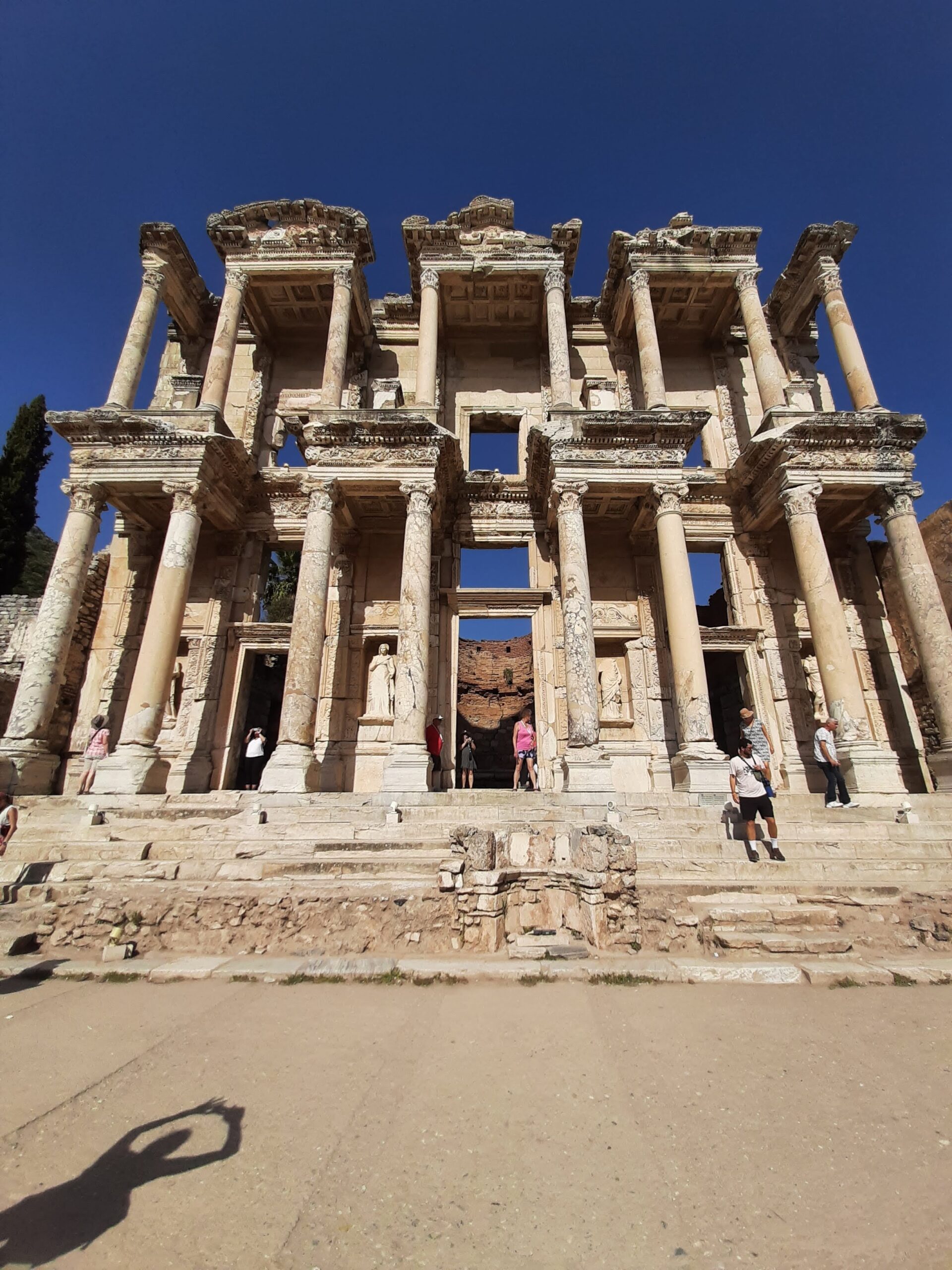
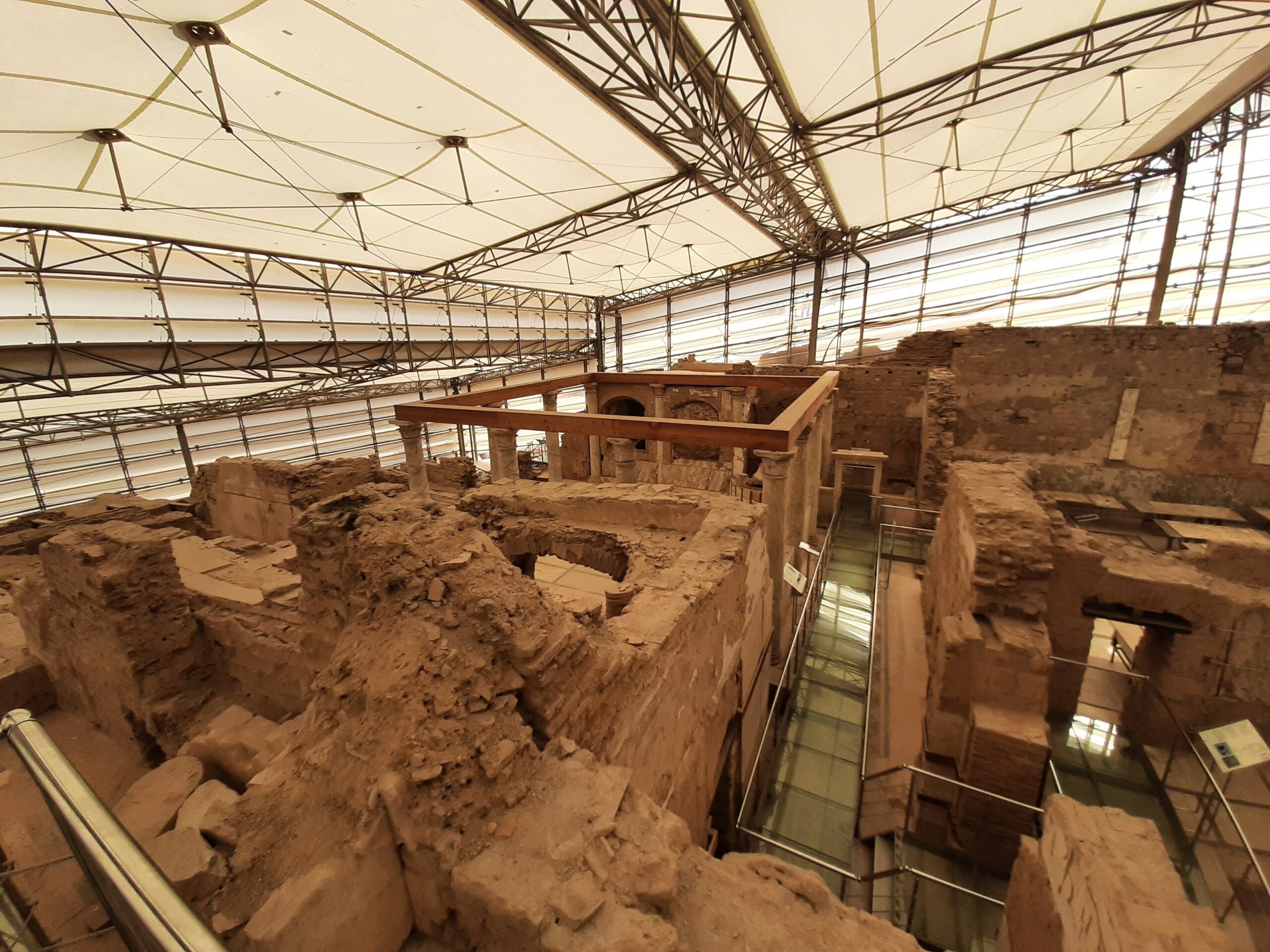
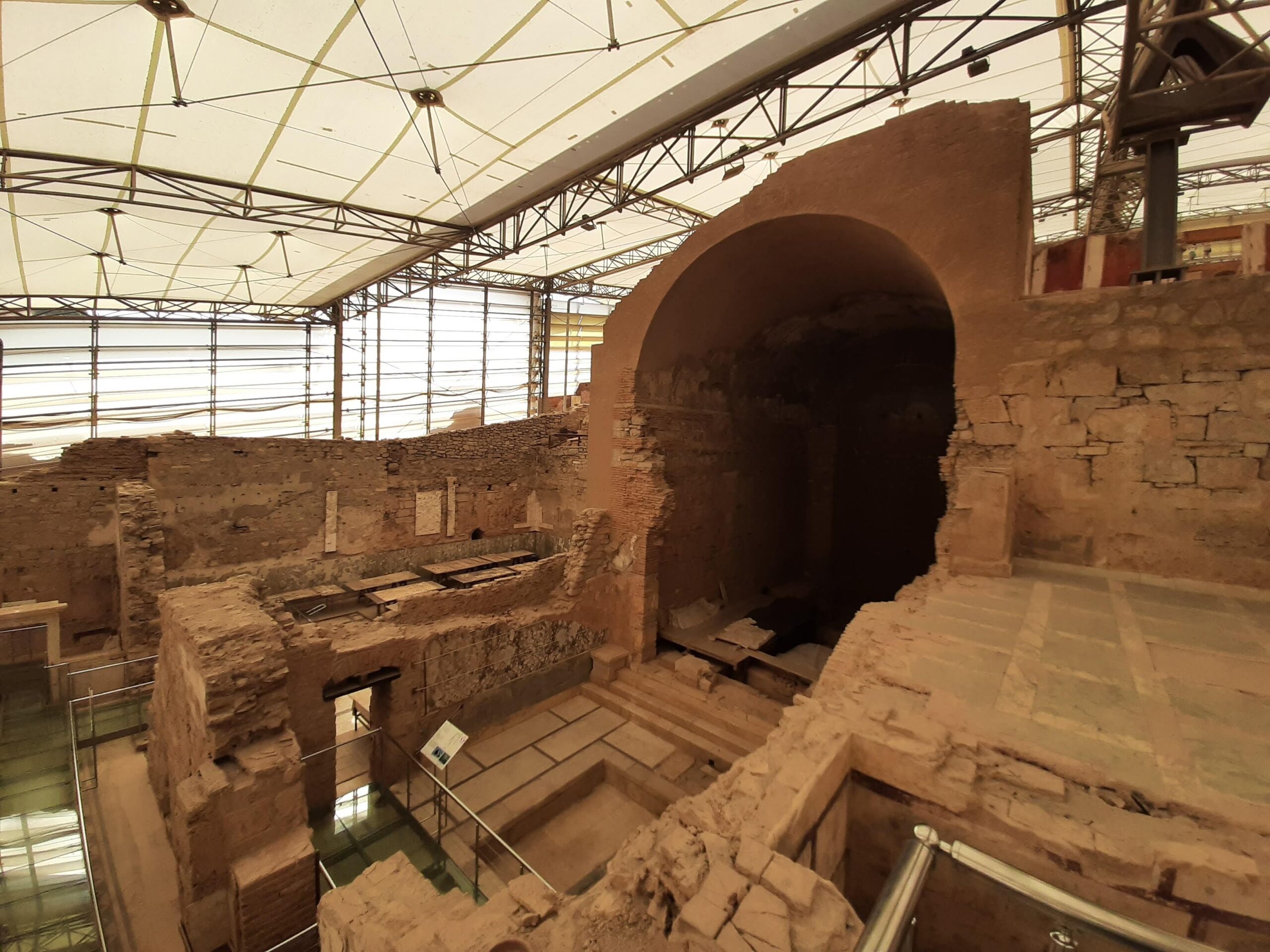
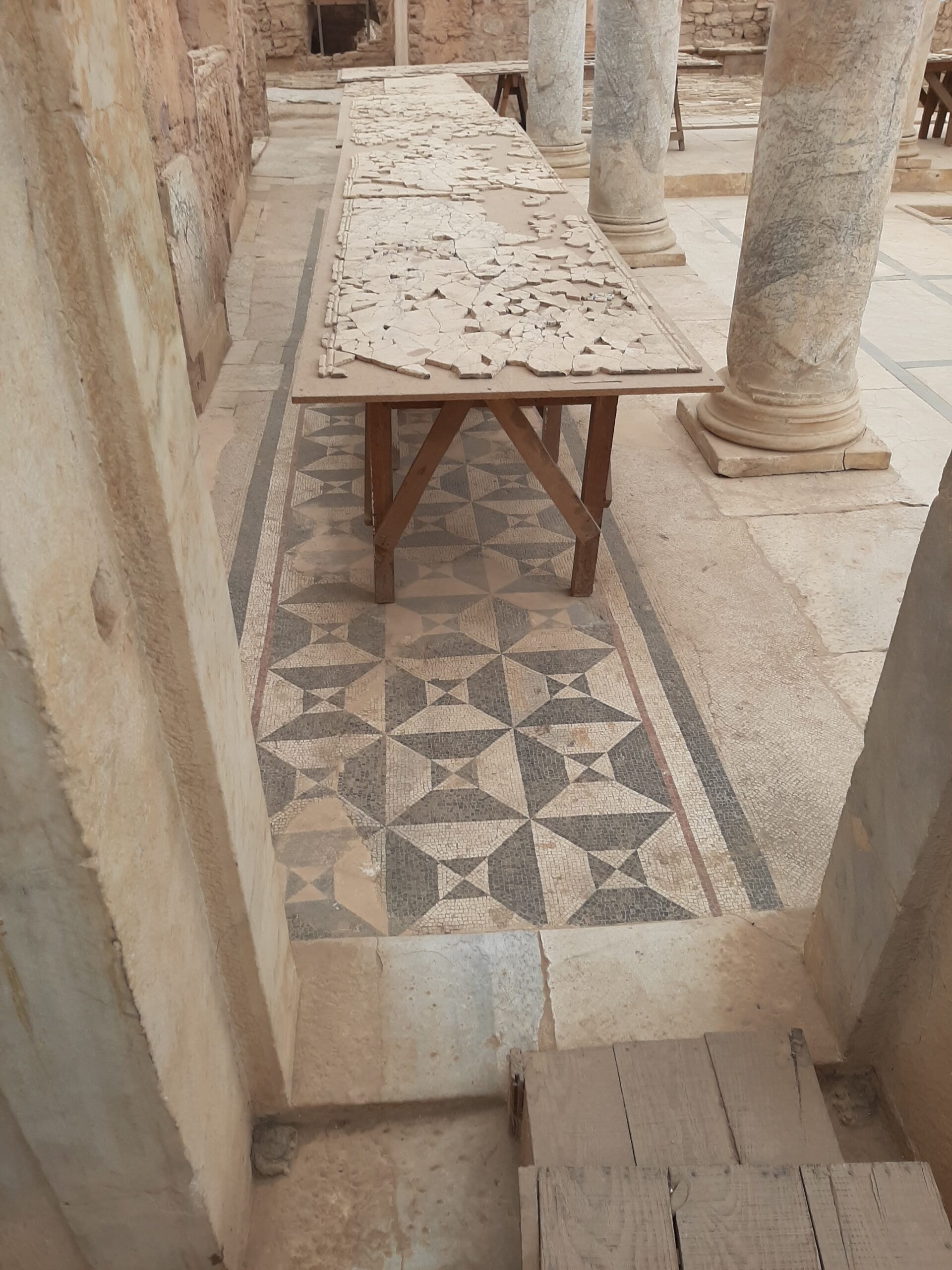
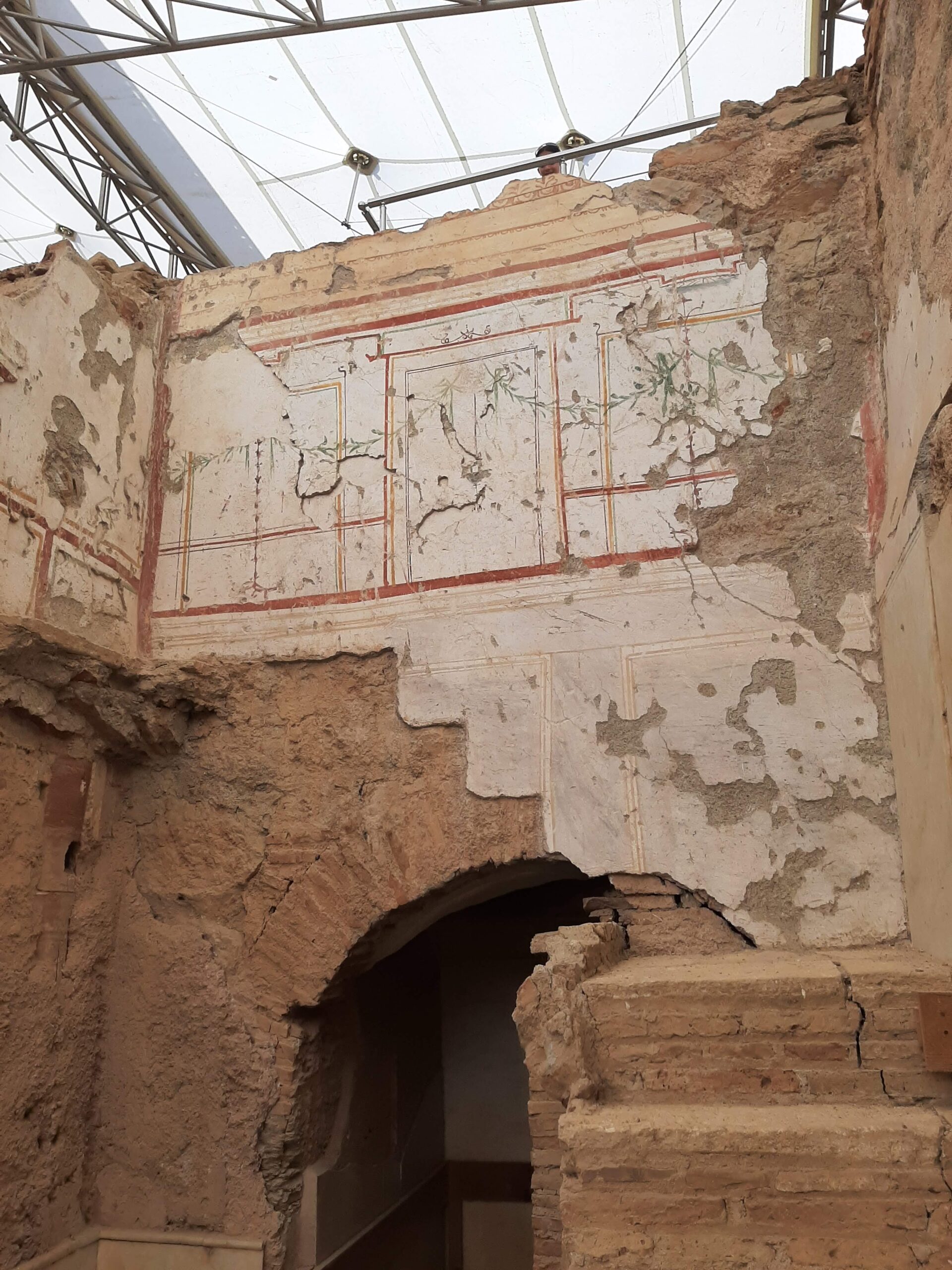
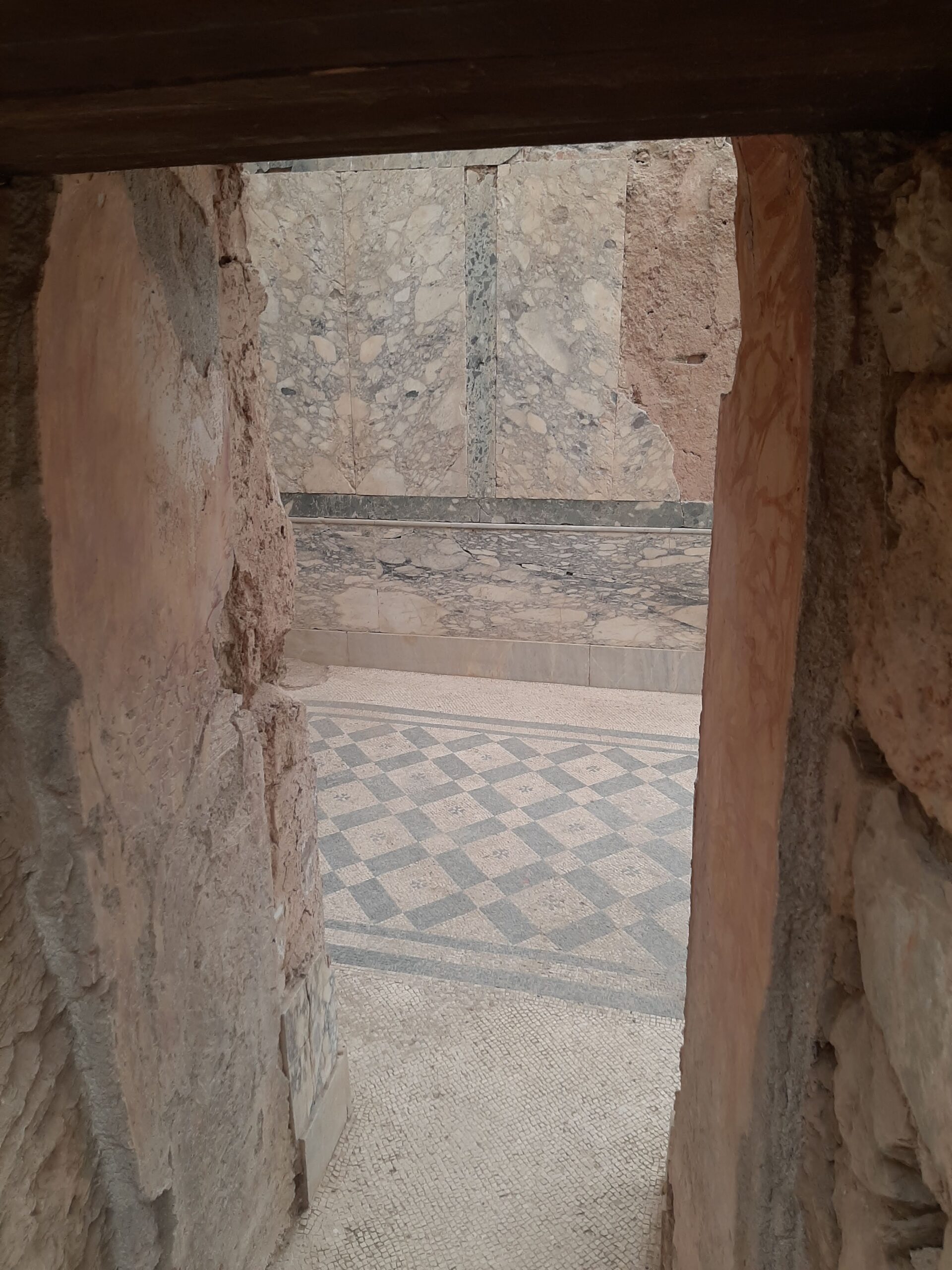
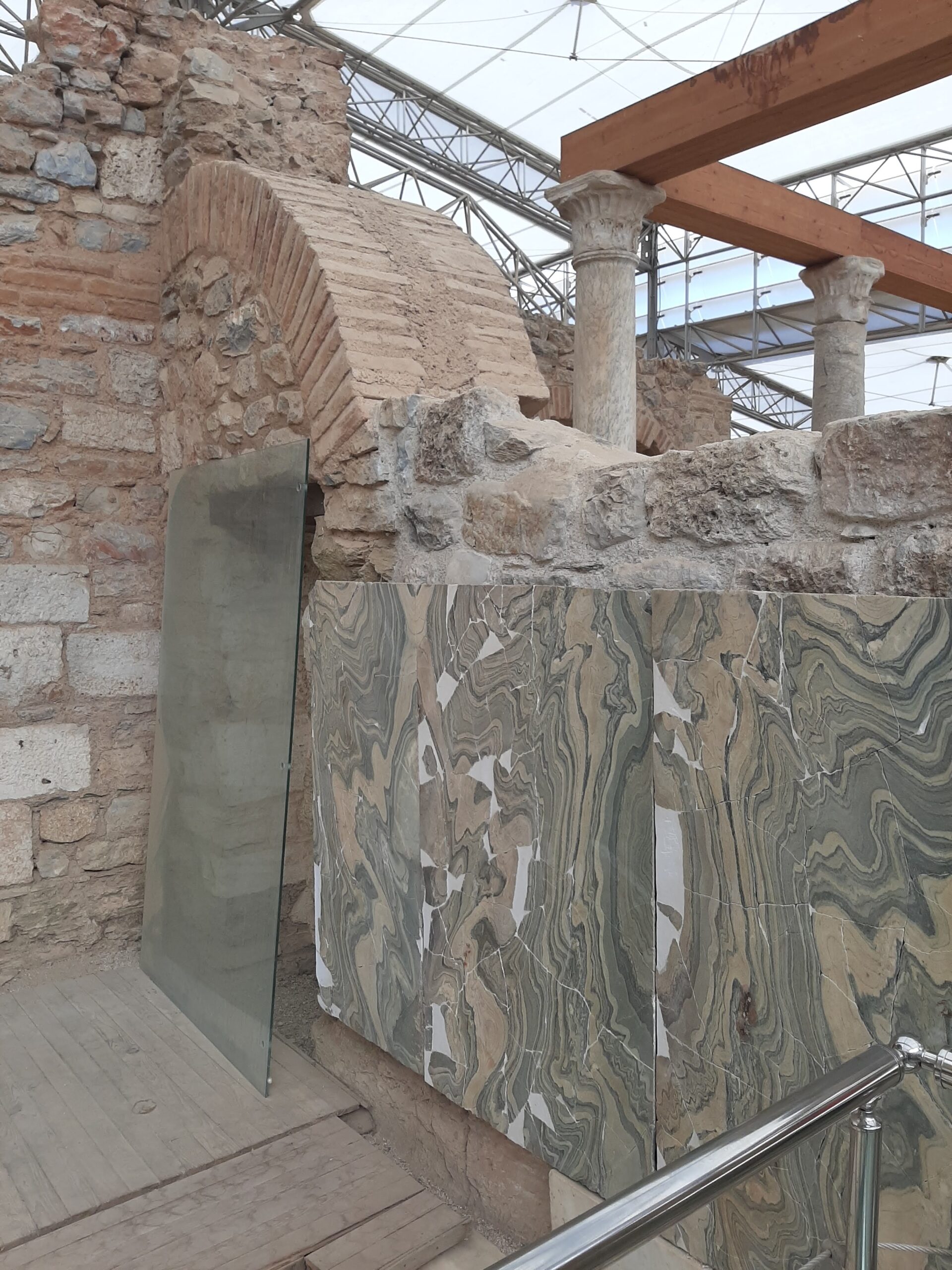
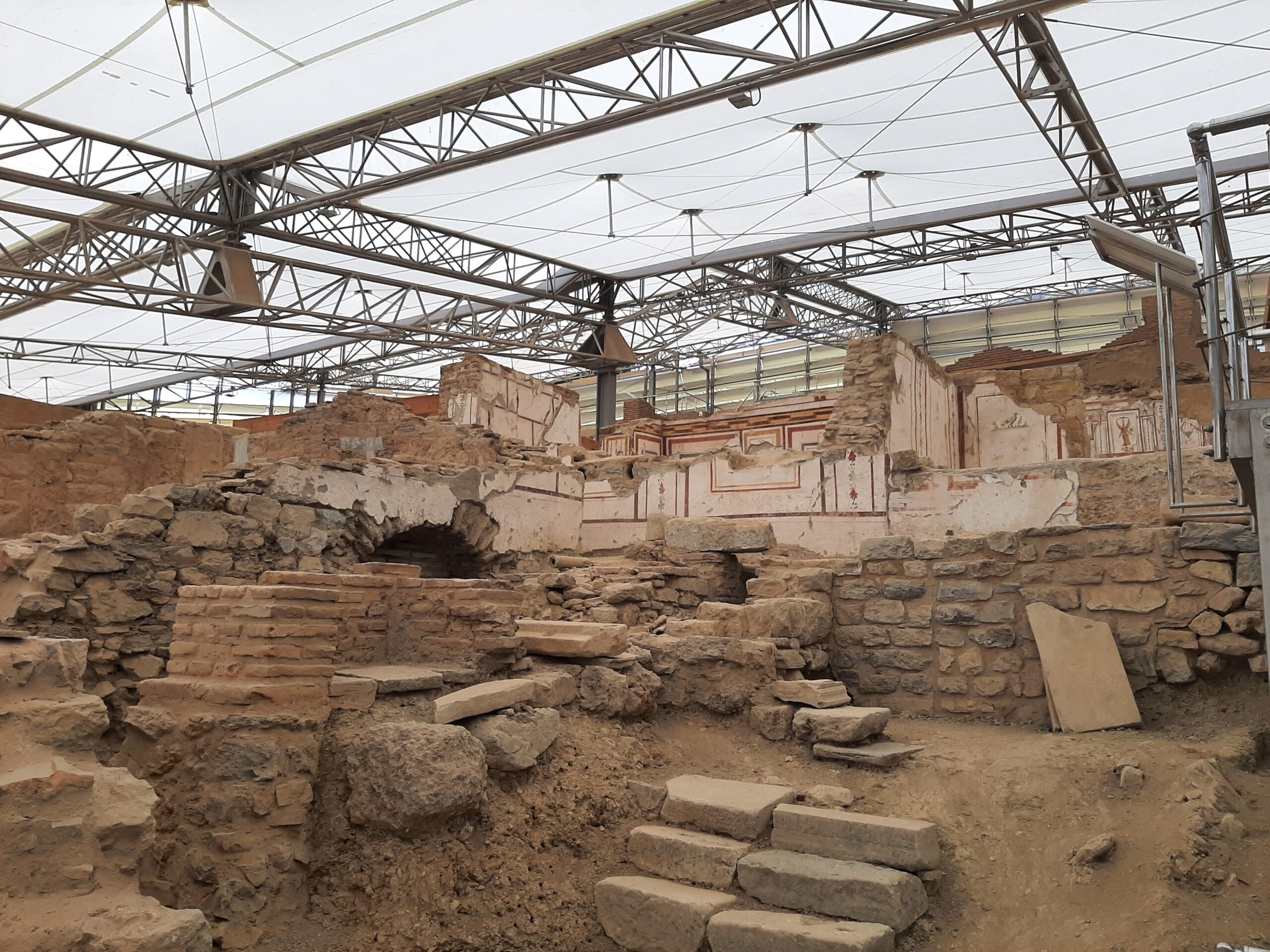
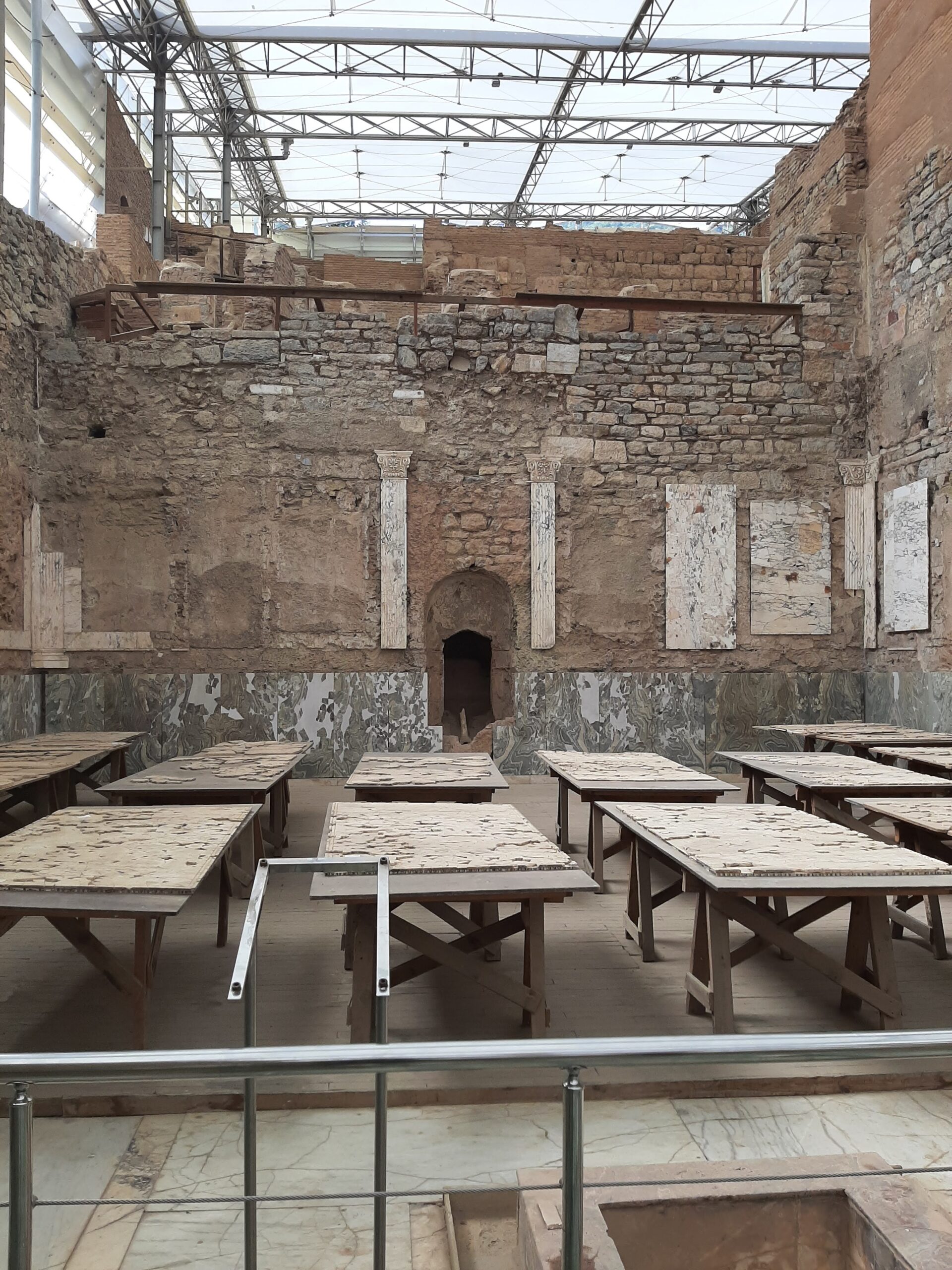
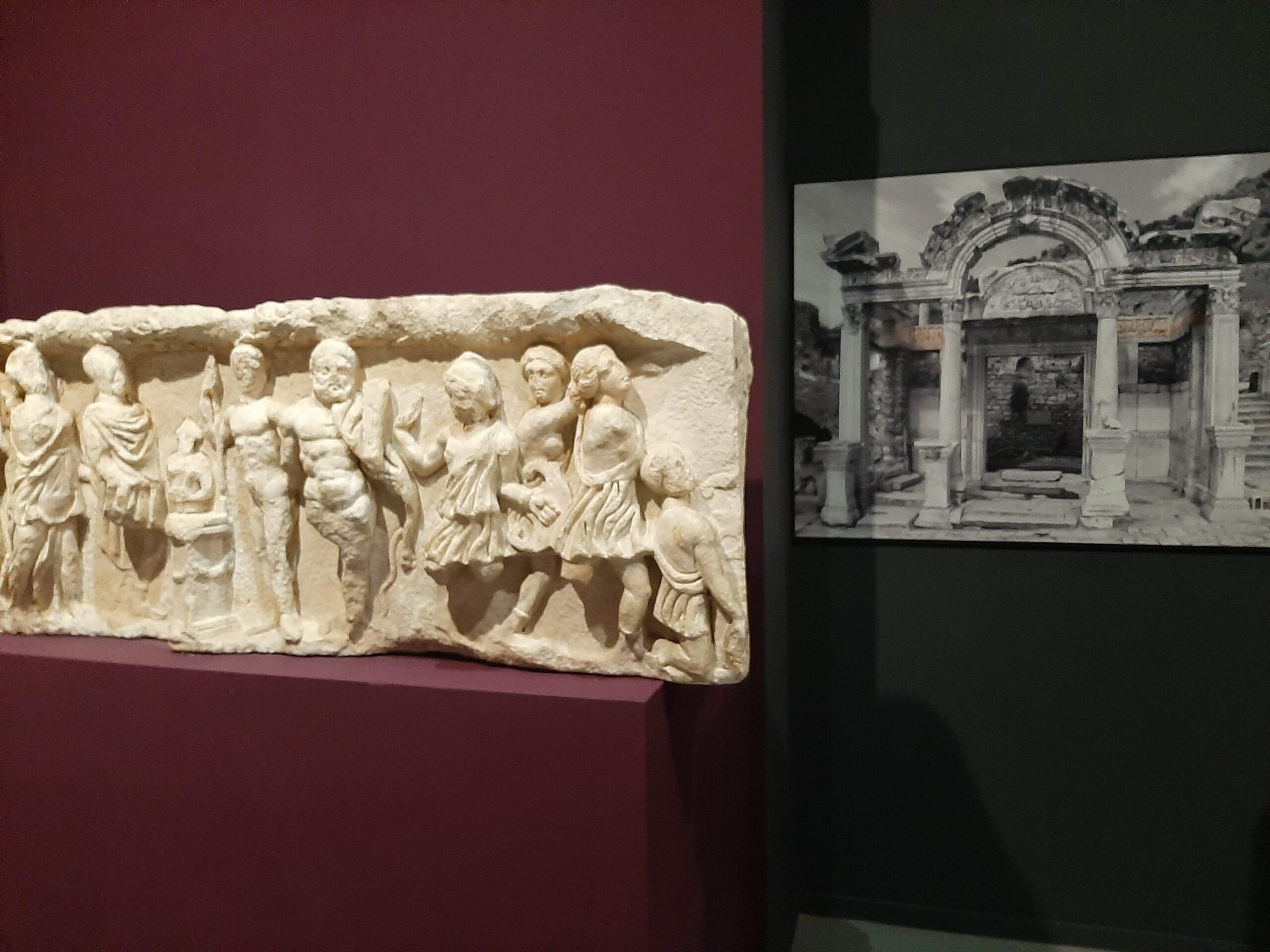
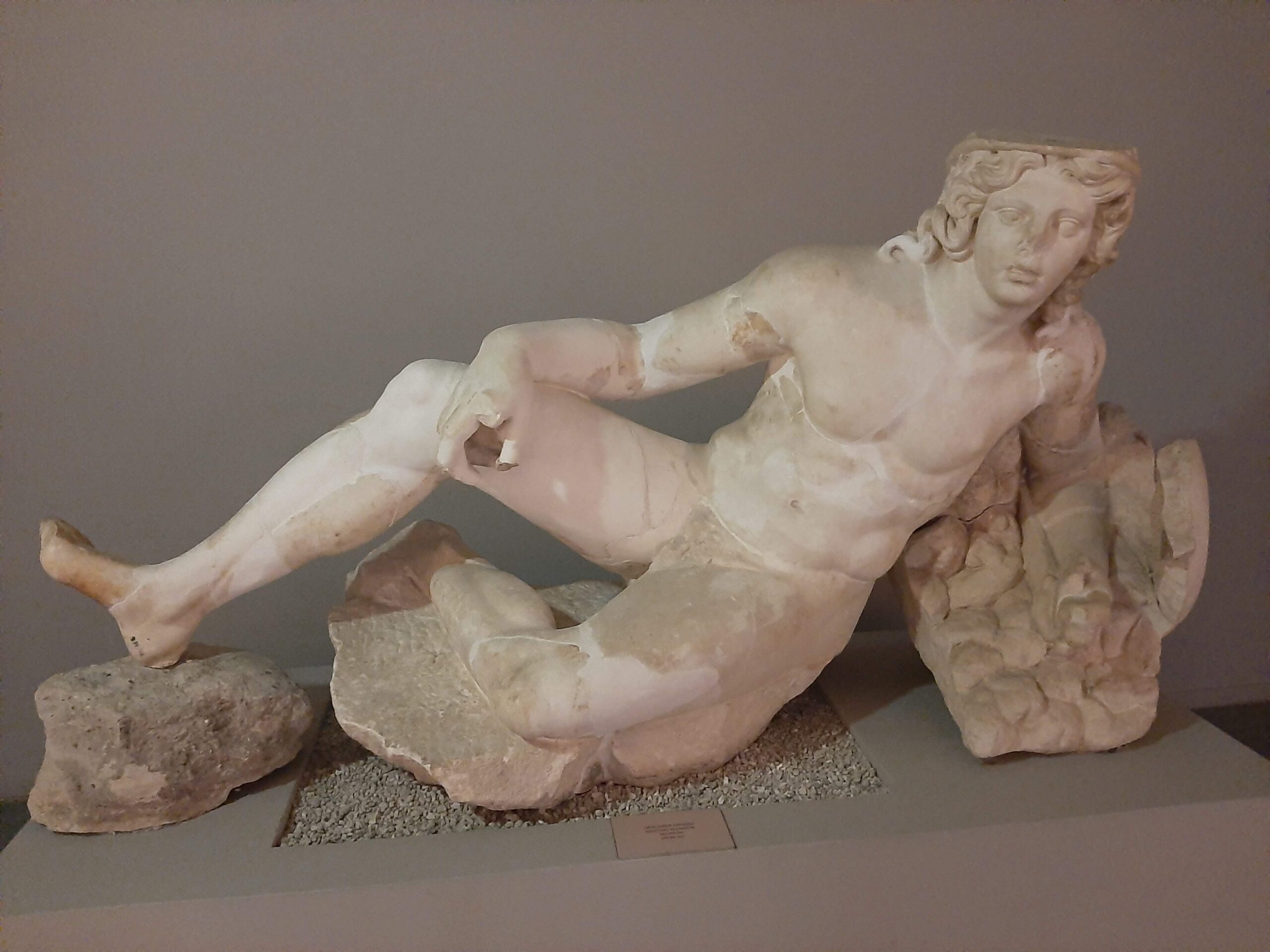
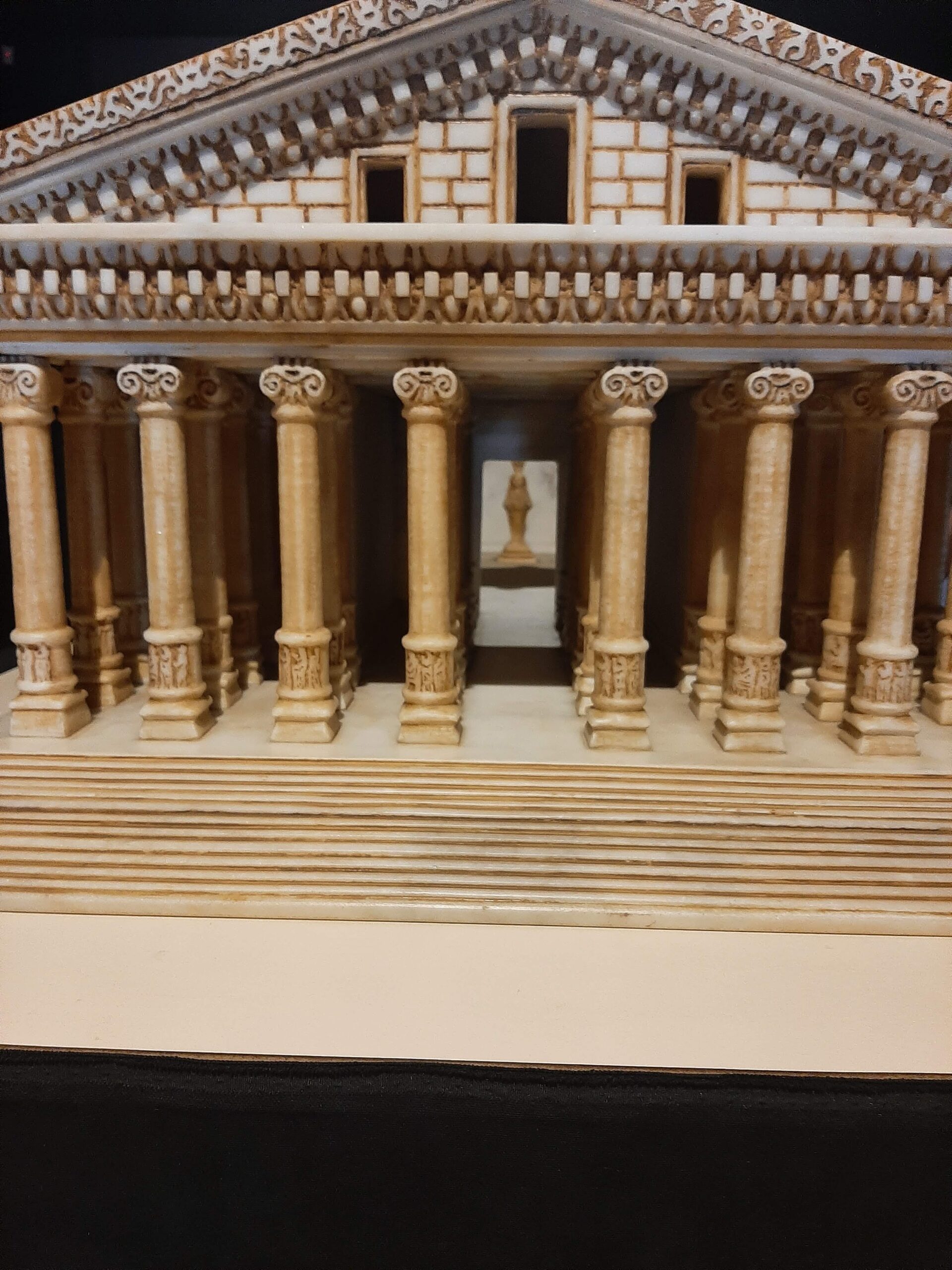
We spent 4 hours at the archaelogial site .. oh my god !! Ancient ruins and artifacts on steroids !! It's gob smacking, with civilisation starting on this site in the 6th-7th cenury BC until being covered by river silt and re-discovered in late nineteenth century. In particular the restoration of the library building is sensational. The other amazing fact was that a harbour was at the entrance to the ancient town when it was in full use mode, today the coast line is 6 kilometres away.
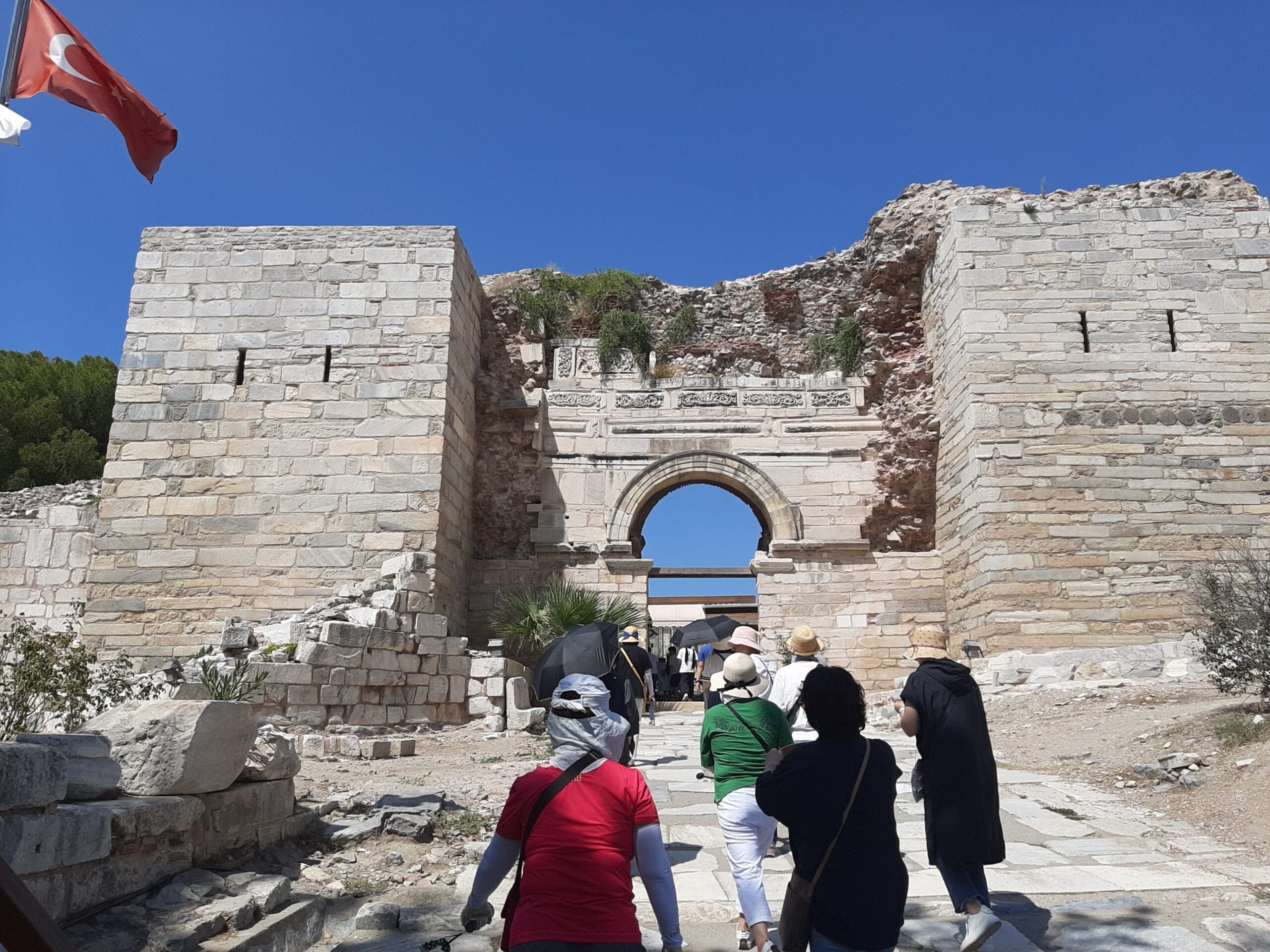
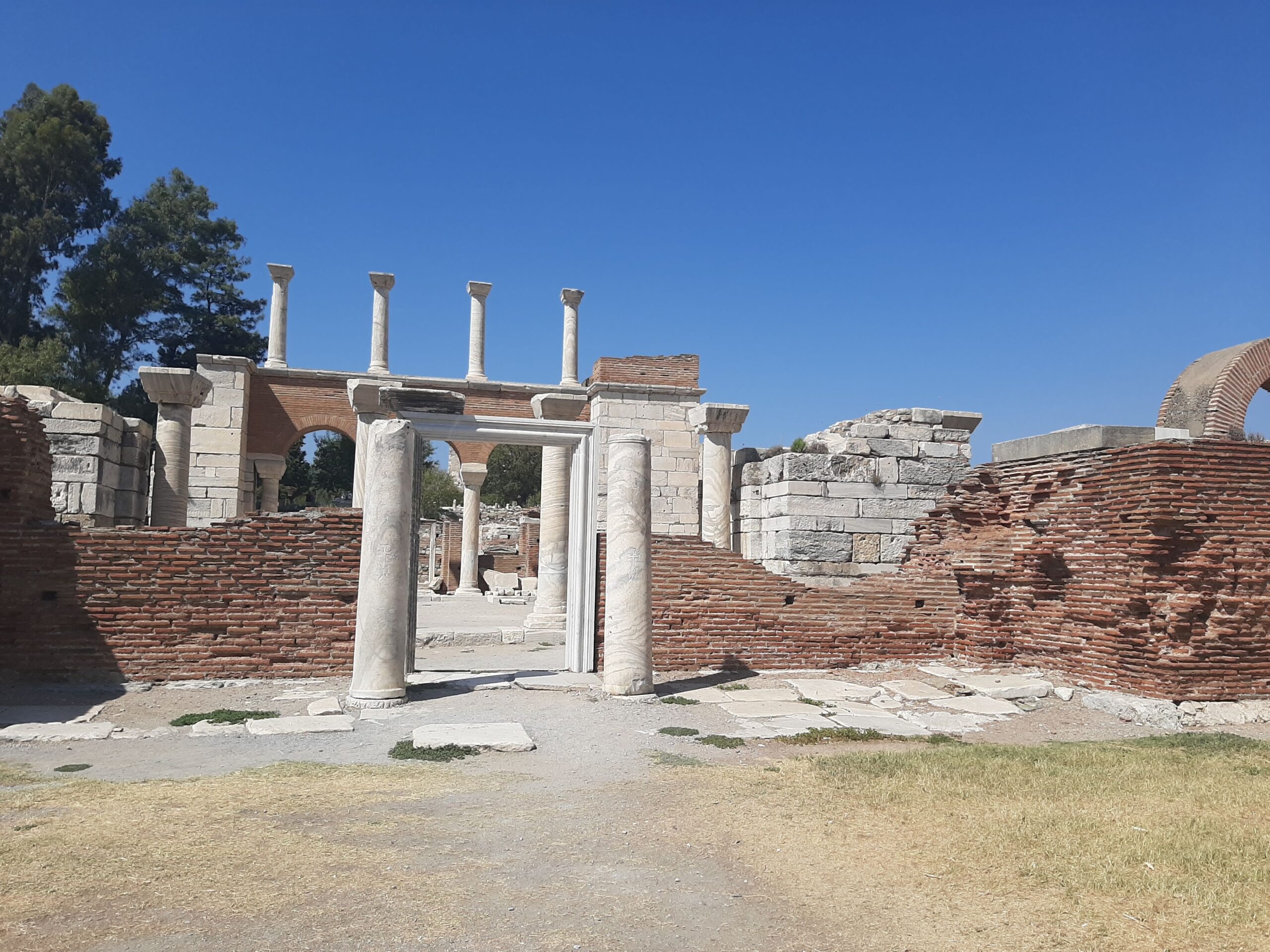
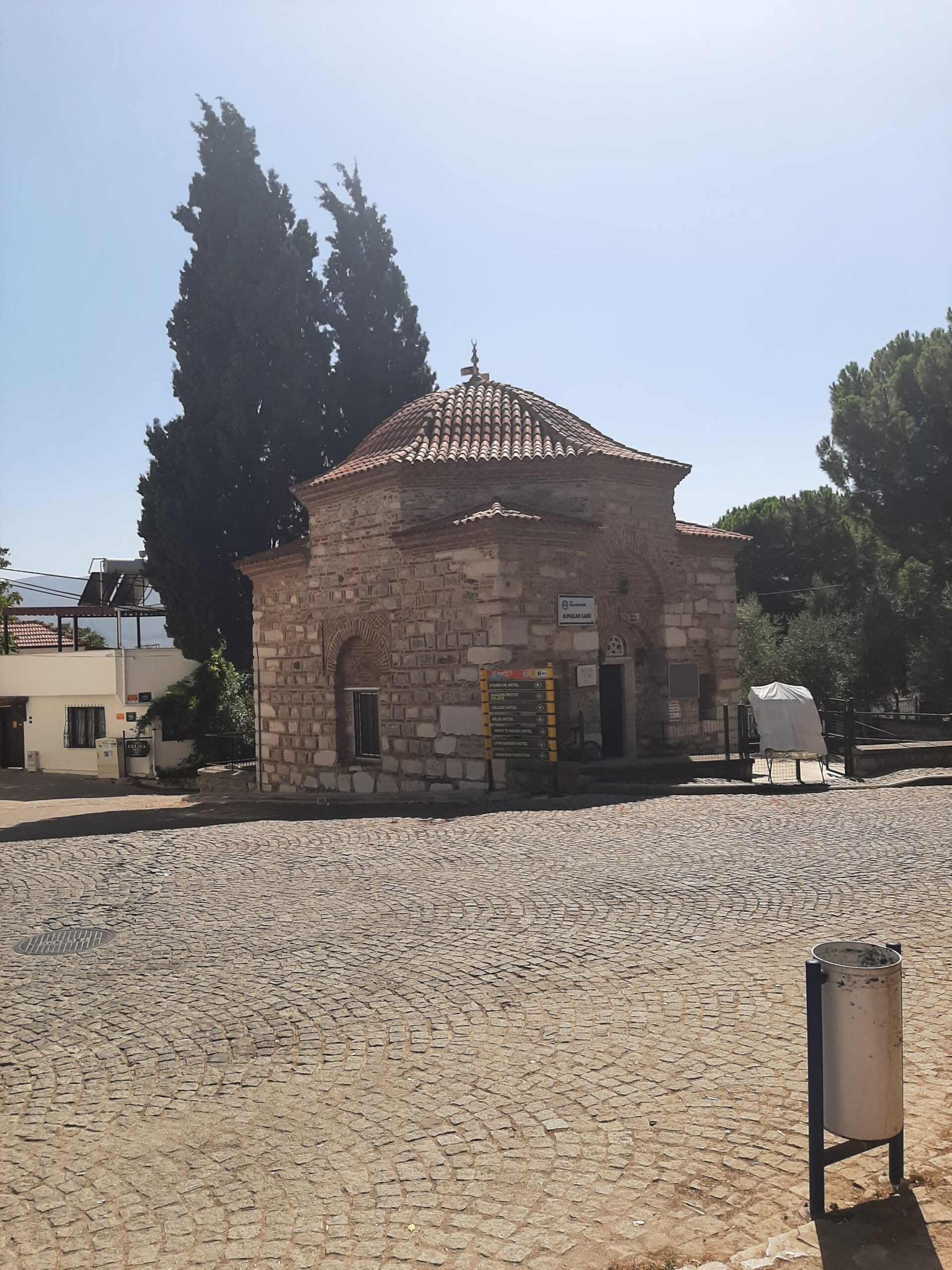
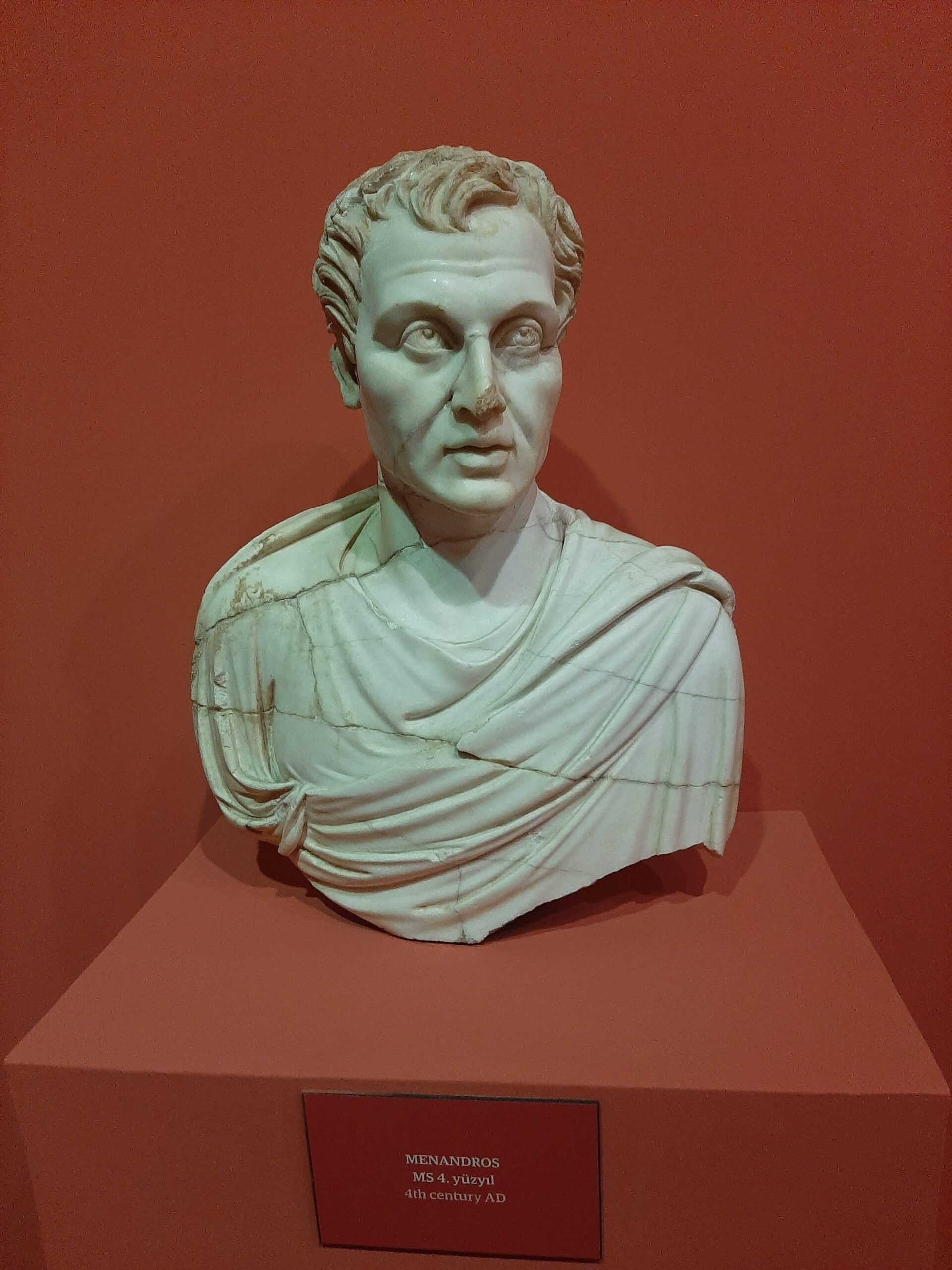
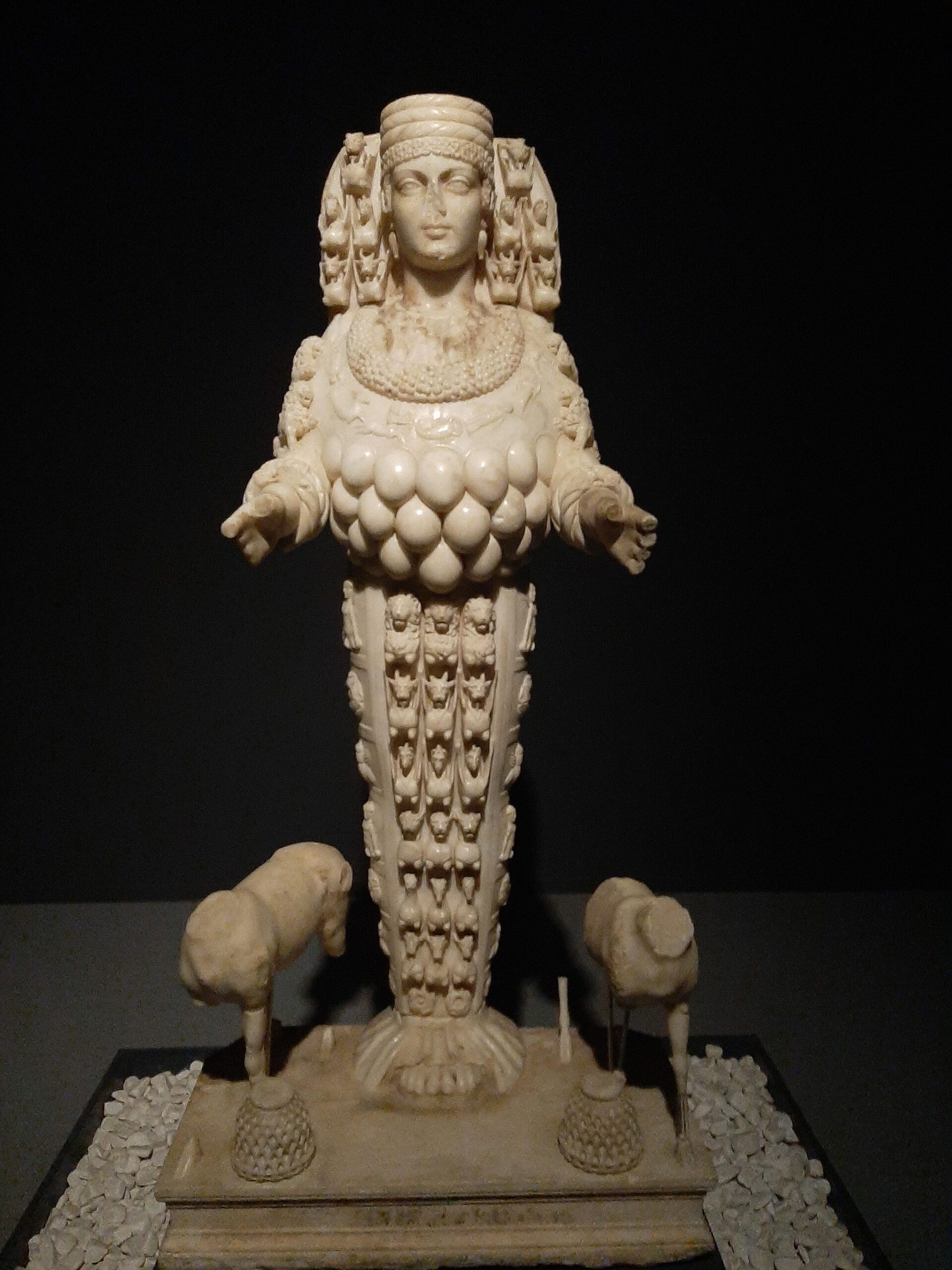
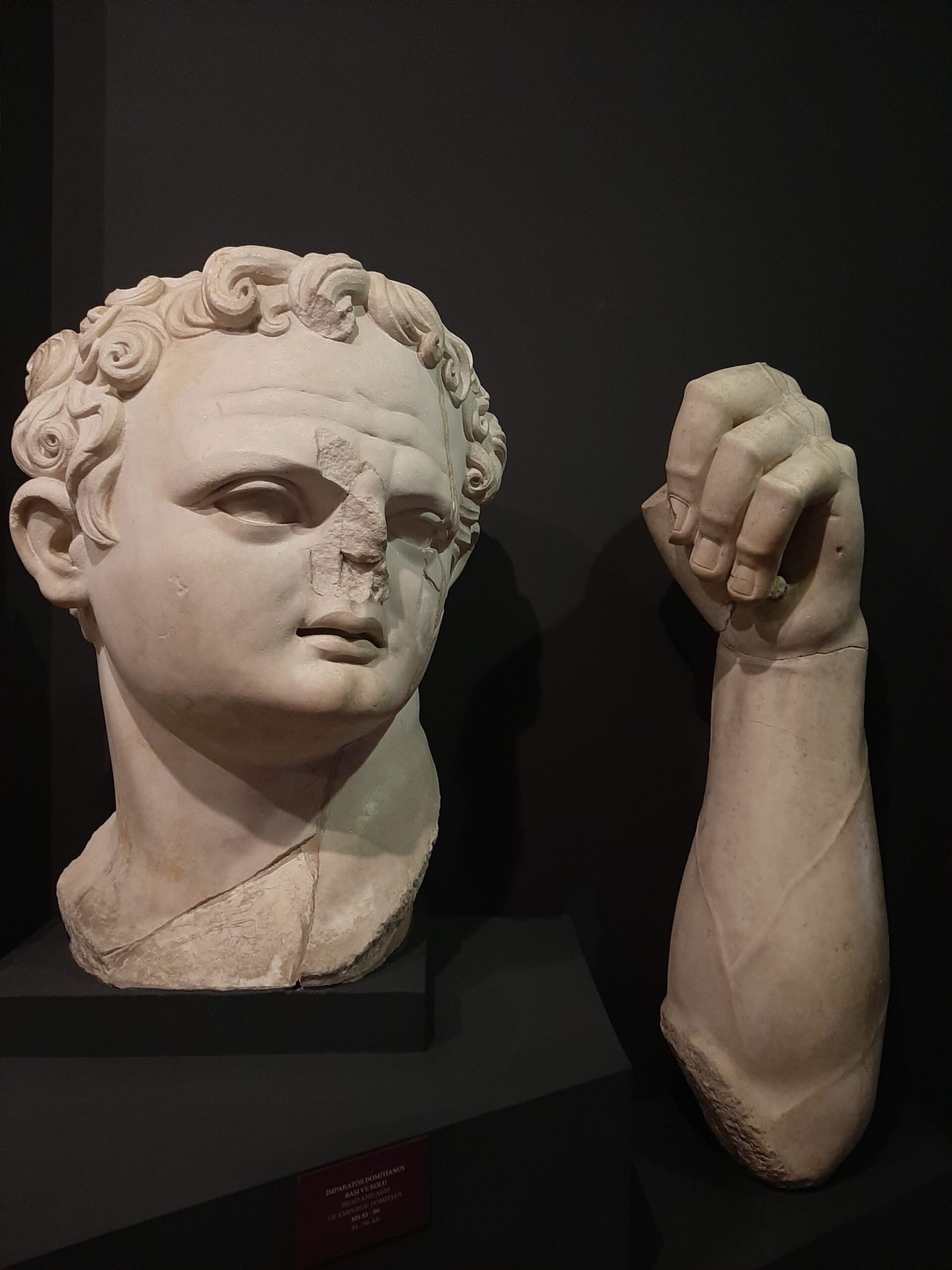
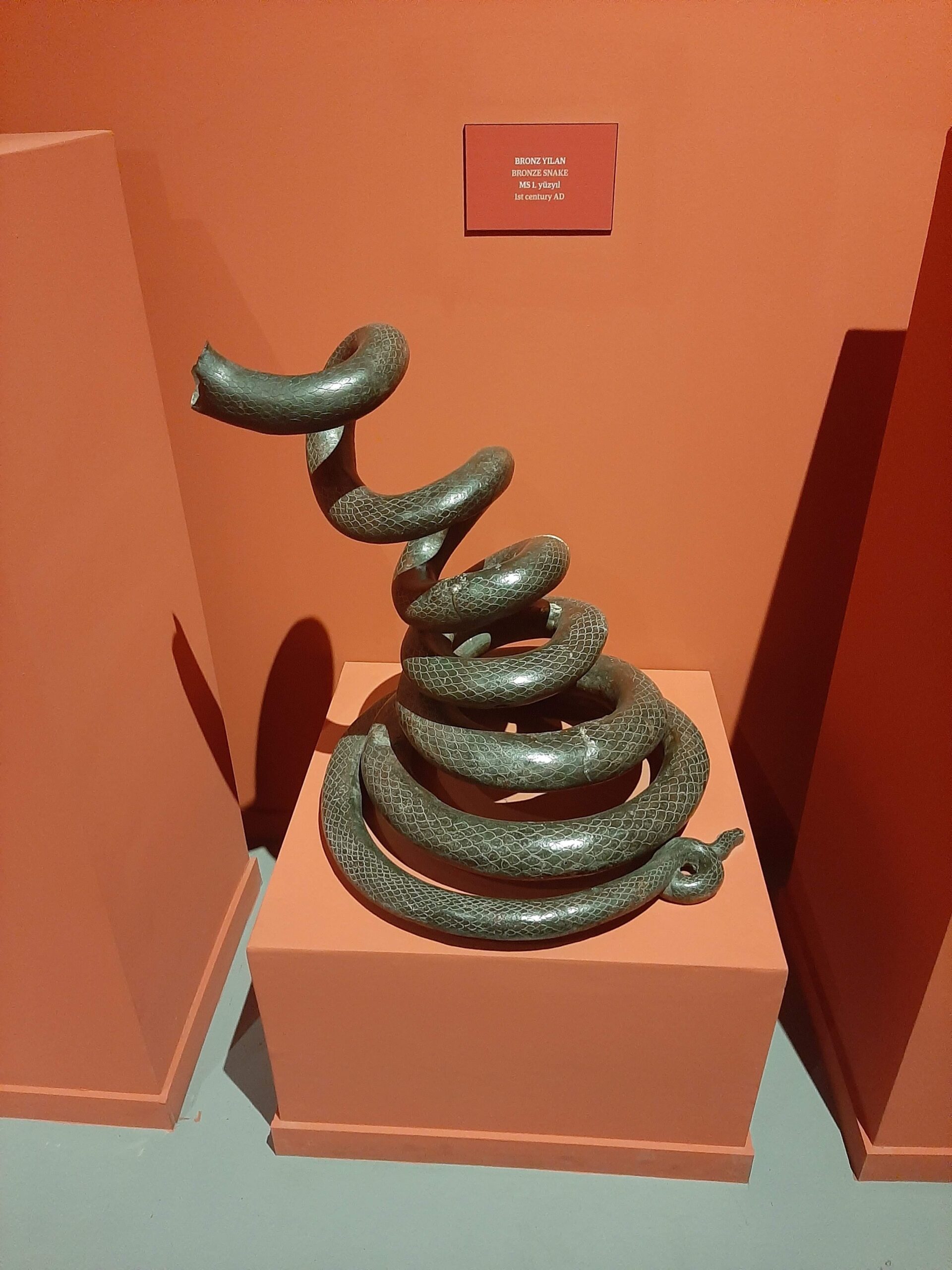
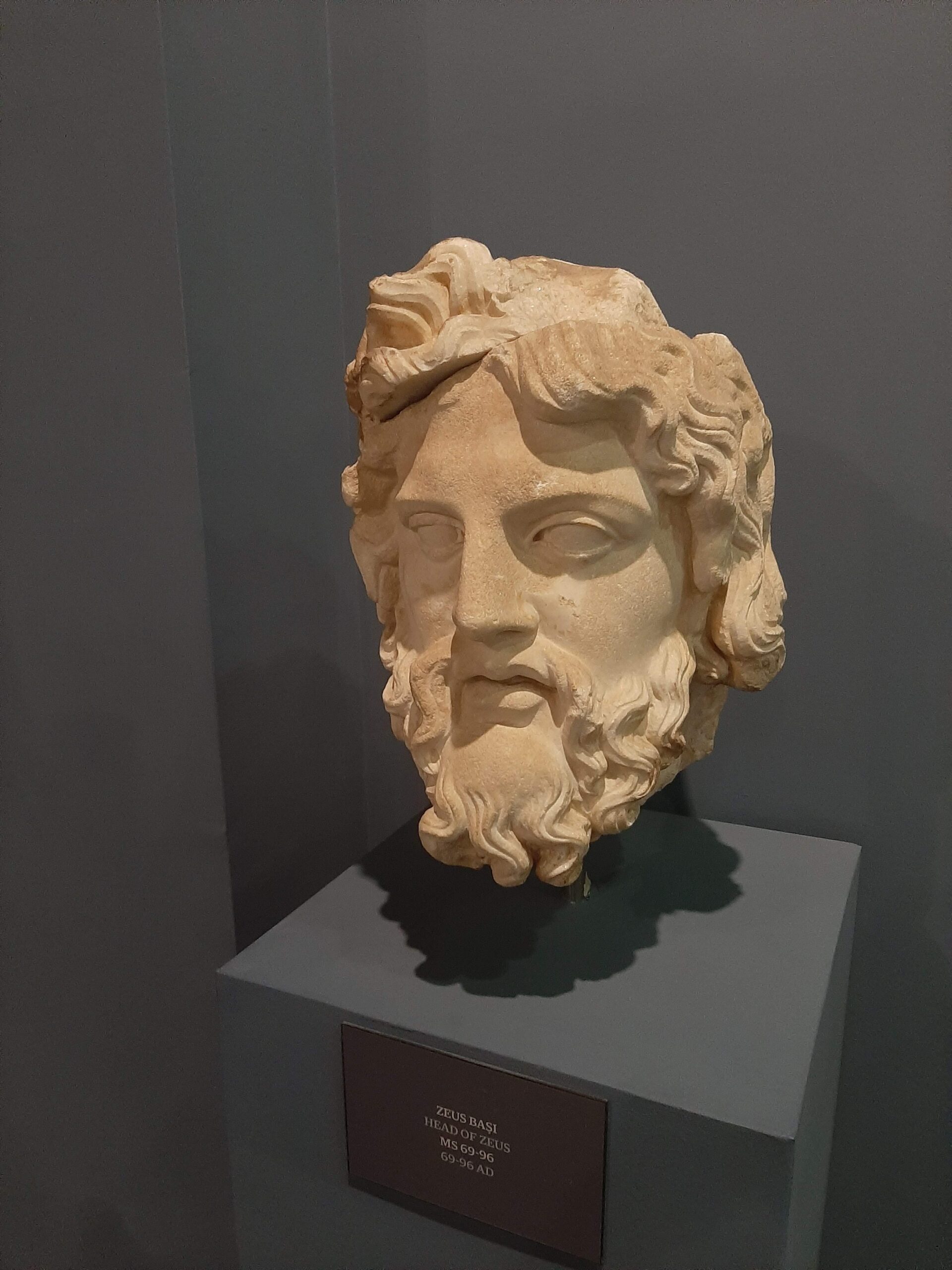
An early dinner again in Selcuk central rounding out a really enjoyable visit.
I’m waiting to hear what you’ll say about pompeii
So am I !
Jaw dropping indeed! What an experience – unbelievable! So good to read your travel blog and see these amazing photos. We will keep up to date from now on!
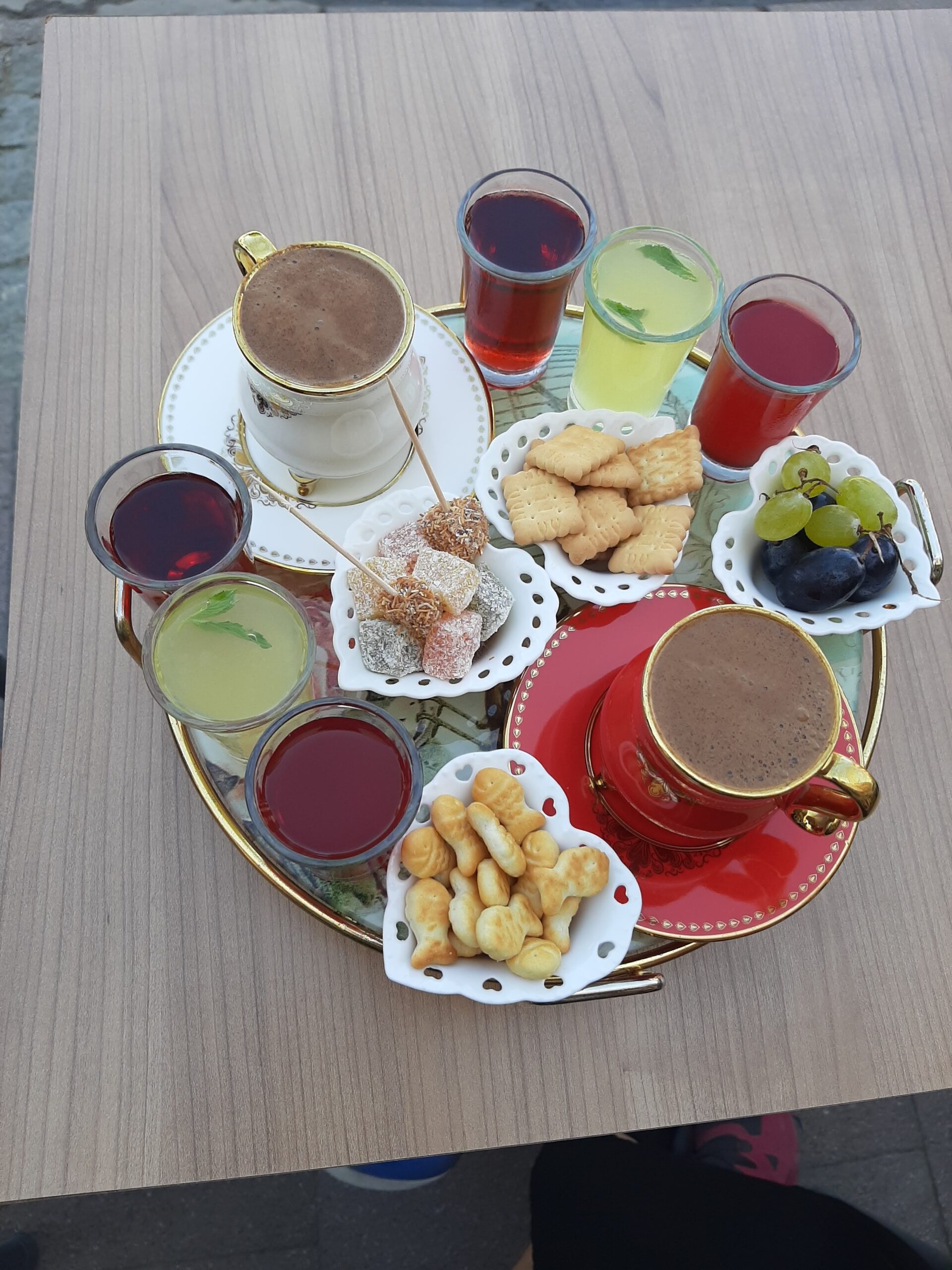
PS – that morning tea looked pretty good too – I bet you were not allowed anything extra to eat that day, Graeme!
We have been pretty good … only two meals per day. Turkish breakfast is huge and we overload on Carbs !! bread, bread, bread and more bread. Thre is cucmber, tomato, olives, cheese, spreads, eggs either omelet or hard boiled, and coffee or tea. With all the wlking and hear, we are keeping our weight unsder control …. so far !!
Crikey – might have known holidaying with you two wasn’t going to be a dawdle. Keep up Angela.
I’m am here for the food and coffee though.
Saturday morning here and I’m catching up in bed, on the IPad. I think these photos need to be seen on the Mac. They need full attention. Those historical places would impress me too. Our world is unbelievable.
In case you might be a tad interested – weather here is warming up. Can actually hang our washing outdoors (who am in kidding – your not remotely interested in my washing)
Keep the blogs coming and loving the photos – think I might even mirror your blog to the TV. Caught up for now…although I will never match your pace. Enjoy you two 💋
Thanks for your comments Angela – last day in Turkey tomorrow, Hope you like sage green, Turkish one side towelliong as requested. We will keep up the blog as best we can.
Now Angela – Graeme and Tania may not be so keenly interested in your washing. But, I am. I want photos please.
Ephesus civilisation started in 6th/7th century BC you say. Impressive for sure.
Our Australian indigenous peoples go back some 50 centuries earlier than that.
To be sure, they survived in a different evolutionary ‘civilisation’ to peoples of Europe and Asia, but, survive and thrive they did nevertheless. We should be making much more of this here and have sites to visit to draw international tourists to admire how they did this, when we ‘civilised’ white folk have managed to stuff a lot of our environment up in 250 short years.
Oops – my slip is showing.
Breakfast on the rooftop sounds fabulous.
I must offer my apologies to the Australian indigenous peoples for seriously reducing their prior existence from 50 millennia to 50 centuries. I am sure you all picked that up.
So fascinating!